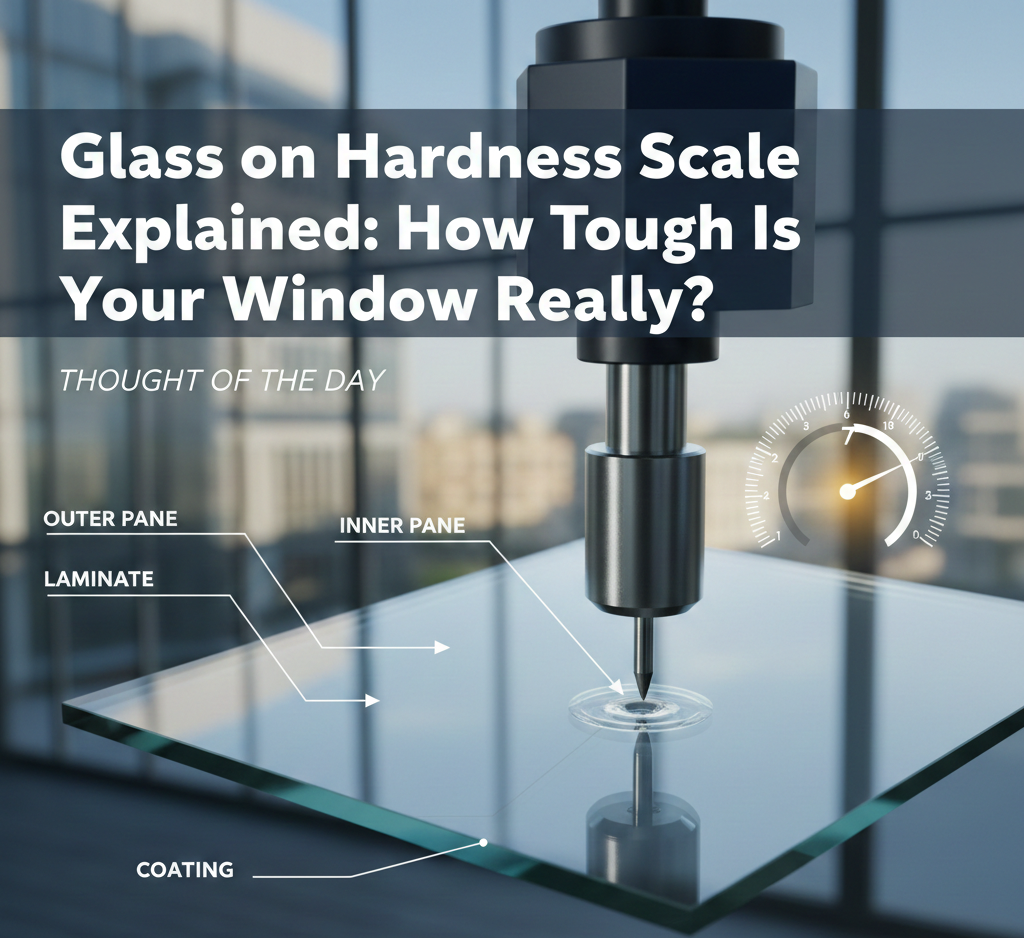
Glass on Hardness Scale Explained: How Tough Is Your Window Really?

Hey, Have You Ever Smashed a Glass and Wondered Why?
Picture this: You’re playing basketball in the driveway, and whoops – the ball smacks your window. Does it crack like a bad egg, or hold up like a champ? That’s where “glass on hardness scale” comes in. It’s basically a way scientists measure how tough materials are against scratches and dents. And glass? It’s sneakily strong in some ways, but not invincible.
Honestly, most of us think glass is fragile because it shatters so dramatically. But on the famous Mohs hardness scale – yeah, that one named after a guy from the 1800s – regular glass sits pretty at around 5.5 to 6.5. That means it can scratch stuff softer than it, like a coin or your fingernail, but watch out for anything harder, like sand or a kitchen knife. We’ll dive deeper, promise. Stick around, because by the end, you’ll impress your friends with glass facts at the next picnic.
What Even Is the Hardness Scale? Let’s Break It Down Super Simple
Okay, first things first. Hardness isn’t about how heavy or bendy something is. It’s all about resistance to scratching or permanent dents. The go-to tool for this is the Mohs scale, invented by Friedrich Mohs in 1812. It’s like a scratch test with 10 common minerals, ranked from 1 (super soft, like talc) to 10 (diamond, the king of tough).
- 1: Talc – Feels like baby powder; scratches with your fingernail.
- 2-2.5: Gypsum or gold – A copper penny scratches it.
- 3: Calcite – Like limestone; a knife tip leaves a mark.
- 4-5: Fluorite or apatite – Everyday stuff like iron nails.
- 5.5-6.5: That’s glass territory! – Scratches apatite but gets nicked by quartz.
- 7: Quartz (sand) – Why beaches scratch your sunglasses.
- 8-10: Topaz, corundum, diamond – Jewelry and industrial beasts.
Glass isn’t a mineral, though – it’s an amorphous solid, meaning no crystal structure like rocks. That’s why its hardness varies. Soda-lime glass (your windows and bottles) hits about 5.5. But fancy borosilicate (think Pyrex) pushes to 6.5. Cool, right? It’s like glass has a personality – tough enough for daily life, but not for rough adventures.
Types of Glass and Their Hardness Scores: A Quick Showdown
Not all glass is born equal. Different recipes make it harder or softer. Let’s chat about the main players, with their spots on the Mohs scale.
Everyday Soda-Lime Glass (The Window Warrior)
This is the cheap, go-to glass in 90% of homes worldwide. Made from sand, soda ash, and lime, it lands at 5.5-6 on the scale.
- Scratches steel wool easily.
- But quartz sand (hello, desert winds) or steel files? Nope, those win.
Fun fact: Your phone screen is this stuff coated with extras – more on that later.
Borosilicate Glass (The Heat Hero)
Pyrex dishes and lab beakers? Borosilicate swaps some lime for boron oxide, bumping hardness to 6-6.5.
- Resists thermal shock too – drop it from hot oven to cold counter, no shatter.
- Still loses to quartz, though. Ever seen lab glass with fine scratches? Blame the tools.
Aluminosilicate Glass (The Phone Protector)
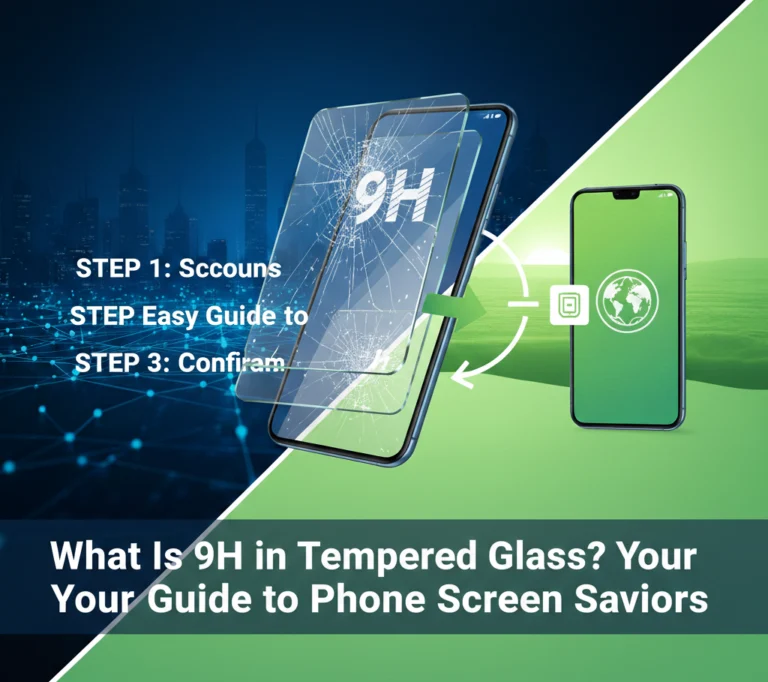
This is the star of modern screens, like Gorilla Glass from Corning. Hardness? 6.5-7ish, thanks to aluminum and ion-exchange magic.
- Gets dunked in hot potassium salt to swap ions, making the surface super dense.
- Scratches quartz barely, but deep impacts can still crack it.
Specialty Champs: Sapphire and Beyond
Not true glass, but worth mentioning – synthetic sapphire (corundum, Mohs 9) coats some luxury watch faces. Real glass can’t touch that. And diamond glass coatings? Experimental, hitting near 10 for tools.
Why does this matter? Pick the right glass for your life – windows for views, not hammers.
How Do They Test Glass Hardness? Step-by-Step Peek Behind the Curtain
Scientists don’t just eyeball it. Here’s how they measure “hardness of glass” in labs today. It’s like a playground fight, but with science.
- Grab the Mohs Kit: A set of 10 standard minerals or styluses. Start with the softest that scratches your glass sample.
- Scratch Test: Gently drag the tester across a clean surface. See a permanent white line? That mineral is harder.
- Nanoindentation (Fancy 2025 Tech): A diamond tip presses in with precise force, measuring dent size. Gives Vickers or Knoop numbers, convertible to Mohs.
- Repeat for Accuracy: Test multiple spots – glass can have weak points from bubbles or impurities.
- Advanced Scans: Atomic force microscopes zoom in on nano-scratches for next-level data.
At home? Rub a penny (Mohs ~3) – no mark means your glass is at least 3+. Knife blade (~5.5)? If it scratches, yours is softer. But don’t go Hulk on valuables!
Why Glass Feels Fragile Even If It’s Mid-Scale Tough
Hardness is just one piece. Glass is brittle – it doesn’t bend, it snaps. That’s why a baseball through a window (Mohs 5.5 glass) equals disaster, but the same window shrugs off rain.
- Tensile Strength: Glass crushes at 50-100 MPa under pull – steel laughs at 400+.
- Impact Resistance: Tiny flaws act like weak links, turning small hits into big breaks.
- Tempering Trick: Heat and cool fast to create surface compression. Tempered glass (car side windows) is 4-5x tougher, still Mohs 5.5-6 but shatters into safe pebbles.
Humor alert: Glass is like that friend who’s great at trivia but folds under pressure. Strong surface, wobbly core.
Latest Updates for 2025: Glass Hardness Breakthroughs
2025 has been wild for glass tech – no flying cars, but windows that laugh at bullets? Close. Here’s the fresh scoop.
Self-Healing Glass Hits Stores
Companies like Corning rolled out Gorilla Glass Victus 3 with micro-cracks that “heal” in sunlight or heat. Hardness steady at 7, but impact survival up 20%. Your next phone? Probably has it.
Nano-Diamond Coatings Everywhere
Affordable diamond-like carbon (DLC) layers push effective hardness to 8-9. Used in 2025 smartphone screens and even eyeglasses. Scratches? What scratches?
Eco-Hard Glass from Recycled Waste
New processes turn bottle glass into Mohs 6.5 panels for solar farms. Lighter, harder, greener – big in Europe and Asia now.
Smart Glass with Tunable Hardness
Electric fields stiffen ion-gel glass on demand. From soft (Mohs 4) for bending to hard (7) for protection. Prototypes in car windshields this year.
These aren’t sci-fi – they’re in products you can buy today. Check your gadget specs!
Benefits and Advantages of Knowing Glass Hardness
Why care about “what is glass hardness”? It saves money, hassle, and your cool points.
- Daily Life Wins: Pick Mohs 6+ for showers or countertops – fewer scratches mean less cleaning.
- Safety Boost: Tempered or laminated glass (two layers bonded) stays put if broken. Mohs same, but no flying shards.
- Cost Savings: Hard glass lasts longer – a $20 screen protector beats $200 replacements.
- Eco Perks: Tougher glass recycles better, cutting landfill waste.
- Fun Projects: DIY aquariums? Use borosilicate to avoid leaks from scratches.
Imagine building a greenhouse with high-hardness panels – veggies thrive, no fog from cracks. Practical magic.
Common Mistakes to Avoid with Glass Hardness
We’ve all been there – ruined specs from beach sand. Here’s how to dodge pitfalls.
- Mistake 1: Assuming All Glass Is Equal – Beach glass scratches easier than lab-grade. Test before trusting.
- Mistake 2: Cleaning with Abrasives – Baking soda (Mohs 3) is fine, but sandpaper? Disaster.
- Mistake 3: Ignoring Edges – They’re weakest; handle gently.
- Mistake 4: Skipping Coatings – Bare glass loses to keys; add oleophobic layers.
- Mistake 5: Forgetting Heat – Softens glass temporarily, dropping effective hardness.
Pro tip: Store jewelry separate from glass vases – gems are Mohs 7-9 sneaks.
Step-by-Step Guide: Testing Hardness at Home (Safely!)
Want to play scientist? No lab needed. Follow this for your glasses, jars, or mirrors.
- Gather Tools: Fingernail (2.5), penny (3), knife blade (5.5), quartz (7, like sandpaper or crystal).
- Prep Surface: Clean with microfiber – no oils or dust.
- Start Scratching: Light pressure, 10-second drag. Note the first permanent mark.
- Compare: Mark = that tool’s Mohs or higher for your glass.
- Polish Fix: Rub with cerium oxide paste if minor scratches appear.
Example: My old phone screen took a knife scratch but not quartz – solid 6. Yours?
Glass Hardness in Everyday Stuff: Real-World Examples
Let’s make it relatable – glass hardness around your home and beyond.
- Windows: Soda-lime, 5.5. Hurricane zones use laminated for extra oomph.
- Phones/Tablets: Aluminosilicate, 6.5-7. Keys in pocket? Risky business.
- Cookware: Borosilicate, 6.5. Microwave safe and scratch-resistant.
- Eyeglasses: High-index plastic often coated to mimic Mohs 6 glass.
- Watches: Mineral crystal (5.5) vs. sapphire (9) – budget vs. bling.
- Cars: Laminated windshields (5.5 core) bend on impact.
In space? NASA’s shuttle windows were fused silica, Mohs 7, surviving re-entry heat.
Fun Facts to Drop at Parties (Glass Edition)
- Diamond scratches glass? Yes, but only because it’s 10 vs. 6 – not magic.
- Ancient Romans made “glass” harder with manganese for color stability.
- Gorilla Glass survived a 2-story drop in tests – but don’t try it.
- Water can pit glass over time (Mohs 7 ice crystals in scratches).
- World’s hardest glass? HPFS (fused silica), Mohs 7.5 for lasers.
Who knew shattering could be so educational?
The Future of Glass Hardness: What’s Next After 2025?
Glass nerds are cooking up wild stuff. Graphene-infused glass could hit Mohs 8 routinely. Bendable screens with hardness that adapts? Already in flexible phones from Asia. And bio-glass from seashells – naturally Mohs 6, fully recyclable.
Climate change pushes harder glass for storm-proof buildings. Imagine skyscrapers with self-cleaning, diamond-tough panes. Exciting times!
Wrapping It Up: Glass Is Tougher Than You Think
So, there you have it – glass on the hardness scale isn’t some fragile zero; it’s a solid 5.5-7 player, depending on the type. From your coffee mug holding up to oven blasts to phone screens defying keys, understanding “hardness of glass” helps you choose smart, stay safe, and maybe geek out a bit.
Next time you see a shiny window or gadget, give it a mental high-five for its mid-tier might. Experiment at home, upgrade wisely, and share these facts – your friends will thank you. What’s the toughest glass in your house? Drop a comment if you’re reading this on a blog!
FAQs
What is glass on the hardness scale exactly?
Around 5.5-6.5 on the Mohs scale for most types, meaning it scratches nails but not quartz.
Is phone screen glass harder than window glass?
Yep! Windows are ~5.5 Mohs; screens like Gorilla hit 6.5-7 with special treatments.
Can you increase the hardness of glass at home?
Not really – coatings or tempering need factories. But clean gently to keep it pristine.
What scratches glass the easiest?
Quartz sand (Mohs 7), steel files, or gems like topaz. Avoid pockets with grit!
Is all tempered glass the same hardness?
Hardness stays 5.5-6, but it’s 4x tougher against breaks due to stress layers.
What’s the hardest everyday glass in 2025?
Gorilla Glass Victus 3 or similar, effective Mohs 7+ with nano-coatings on phones.