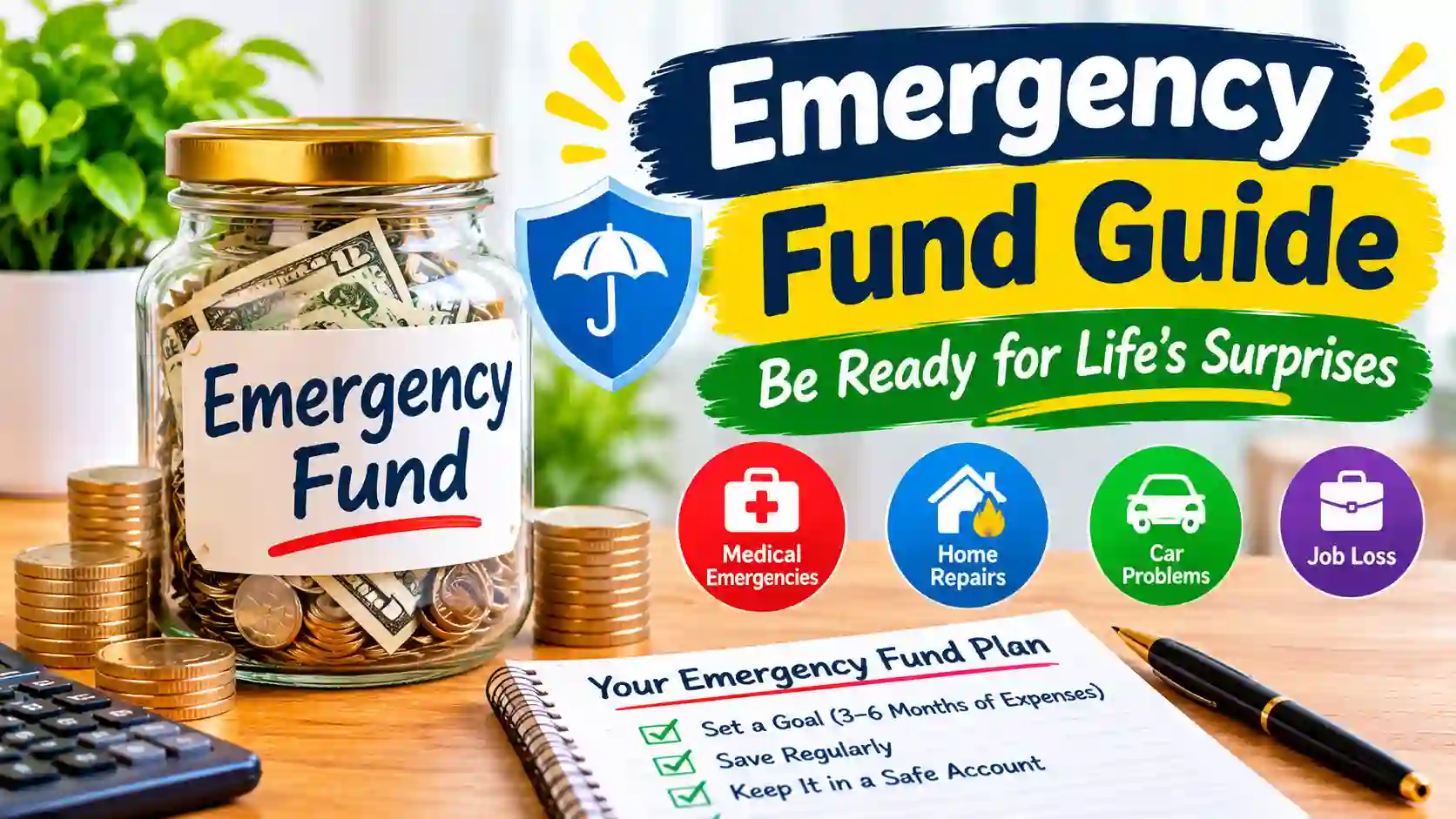
An unexpected car repair, medical bill, urgent home expense, or sudden loss of income can put pressure on your finances. Even if you manage your money carefully, unexpected costs can happen when you least expect them.
An emergency fund is money set aside specifically for these situations. It gives you a financial cushion so you do not have to rely immediately on credit cards, personal loans, or money intended for other goals.
Building an emergency fund may seem difficult, especially if your income is limited or your monthly expenses are already high. However, you do not need to save a large amount all at once. Starting with small, consistent contributions can help you make progress over time.
This guide explains what an emergency fund is, how much you may need, where to keep it and how to build one step by step.
In This Article
- What Is an Emergency Fund?
- Why Is an Emergency Fund Important?
- How Much Should You Save?
- How to Calculate Your Savings Target
- Step 1: Set a Realistic First Goal
- Step 2: Review Your Budget
- Step 3: Choose a Savings Account
- Step 4: Automate Your Savings
- Step 5: Find Extra Money to Save
- Step 6: Increase Your Fund Gradually
- Where Should You Keep Your Emergency Fund?
- What Counts as an Emergency?
- Common Emergency Fund Mistakes
- Frequently Asked Questions
What Is an Emergency Fund?
An emergency fund is a dedicated amount of money reserved for unexpected and necessary expenses. Unlike regular savings for vacations, shopping, or planned purchases, this money is intended to protect you when something important goes wrong.
For example, imagine your monthly budget is working well, but your car suddenly needs an expensive repair. Without savings, you might have to use a credit card or borrow money. With an emergency fund, you may be able to cover the expense without taking on additional debt.
An emergency fund can also provide support if you lose your job, experience a reduction in income, or need to handle an urgent household expense.
Emergency Savings vs. Regular Savings
Regular savings can be used for planned goals. Emergency savings are reserved for unexpected needs. Keeping these purposes separate can make it easier to protect your financial safety net.
Why Is an Emergency Fund Important?
A financial emergency can affect more than your bank balance. It can disrupt your budget, delay important goals and create stress. Having accessible savings can make these situations easier to manage.
1. Reduce Dependence on Credit Cards
When an unexpected bill arrives, you may be tempted to put it on a credit card. If you cannot pay the balance in full, interest charges can make the expense more expensive over time. Emergency savings may help reduce the need to borrow.
2. Protect Your Monthly Budget
Your regular income is usually planned around normal expenses. An emergency fund can help cover an unexpected cost without forcing you to use money already allocated for rent, groceries, or other important bills.
3. Prepare for Income Changes
A job loss, reduced working hours, or interruption in freelance work can affect your ability to pay regular expenses. A suitable emergency fund can provide temporary support while you look for another source of income.
4. Avoid Selling Long-Term Investments at the Wrong Time
If you invest money for long-term goals, an emergency fund may reduce the chance that you need to sell investments unexpectedly. Investment values can fall, so selling during a downturn may result in losses.
5. Gain More Financial Confidence
Knowing that you have money reserved for unexpected costs can make financial planning feel more manageable. It cannot remove every risk, but it can give you more options when problems arise.
How Much Should You Save in an Emergency Fund?
The right emergency fund amount depends on your monthly essential expenses, income stability, household responsibilities, health needs and access to other financial support.
A commonly used long-term target is three to six months of essential living expenses. Some people may need more, especially if they have irregular income, dependents, specialized work, or limited access to other support.
If saving several months of expenses feels overwhelming, do not let that stop you from starting. Build your fund in stages.
Start With a Small Emergency Cushion
Your first goal might be a few hundred dollars or another manageable amount in your local currency. The purpose is to create some protection against smaller unexpected expenses.
Work Toward One Month of Essential Expenses
Once you have your initial cushion, aim to save enough to cover one month of essential costs. This can provide a more useful buffer if your income is delayed or an urgent expense occurs.
Build Toward Three to Six Months
After reaching the first larger milestone, continue saving until you reach a target that suits your circumstances. You can increase the goal over time as your income, expenses, or responsibilities change.
How to Calculate Your Emergency Fund Target
The easiest way to estimate your emergency fund is to calculate your essential monthly expenses and multiply that amount by the number of months you want to cover.
Focus on expenses you would still need to pay during a difficult period, rather than including every optional purchase.
Essential Expenses to Include
- Rent or mortgage payments
- Basic groceries and household supplies
- Utilities and essential communication services
- Necessary transportation
- Insurance premiums
- Essential medical and healthcare costs
- Minimum required debt payments
- Childcare or dependent care costs
Example Emergency Fund Calculation
Suppose your essential monthly expenses are approximately $2,000. Your savings targets could look like this:
| Savings Period | Target Amount |
|---|---|
| One Month | $2,000 |
| Three Months | $6,000 |
| Six Months | $12,000 |
These figures are examples, not universal recommendations. Your actual target should reflect your own essential costs and financial situation.
Step 1: Set a Realistic First Goal
The first step is to choose a savings target that feels achievable. If you are starting with little or no savings, aiming for several months of expenses immediately may feel discouraging.
Instead, break your goal into smaller milestones. For example:
- First milestone: Save $250.
- Second milestone: Increase savings to $500.
- Third milestone: Build a $1,000 cushion.
- Fourth milestone: Save one month of essential expenses.
- Long-term milestone: Work toward three to six months of essential expenses.
You can use different amounts depending on your income and local cost of living. The important thing is to have a clear next step rather than focusing only on a distant target.
Step 2: Review Your Monthly Budget
Your budget shows how much money comes in, where it goes and how much may be available for savings.
Review your recent spending and identify categories where you may be able to make reasonable adjustments.
Look for Unused Subscriptions
Check recurring payments for streaming services, apps, memberships, and other subscriptions. Cancel services you no longer use.
Review Flexible Spending
Consider whether you can reduce restaurant meals, impulse purchases, or other optional spending without making your budget unrealistic.
Plan for Irregular Costs
Include predictable expenses such as vehicle maintenance, annual fees and seasonal bills in your budget. This helps prevent regular savings from being used for costs you could have planned for.
Step 3: Choose a Suitable Savings Account
Your emergency savings should be kept somewhere safe and accessible. A suitable savings account can help separate this money from your everyday spending while allowing you to withdraw it when a genuine emergency occurs.
Compare accounts based on:
- Account fees and minimum balance requirements
- Interest rates and how they may change
- Withdrawal access and transfer times
- Deposit protection or applicable insurance
- Account eligibility and local restrictions
- Security features and customer support
The best option depends on your country and available financial institutions. Check the official terms before opening an account.
Step 4: Automate Your Savings
Saving consistently can be easier when you do not have to make the decision manually every time you receive income.
If your bank supports automatic transfers, consider scheduling a manageable amount to move into your emergency savings account after payday.
Choose an Amount You Can Maintain
You might start with $10, $25, $50, or another amount that fits your budget. The amount is less important than choosing a contribution you can make consistently without missing essential payments.
Match Transfers to Your Pay Schedule
If you receive income weekly or every two weeks, you can schedule smaller transfers around those dates instead of waiting until the end of the month.
Check Your Account Balance
Before automating transfers, make sure your essential bills and upcoming payments are covered. A savings transfer should not cause overdraft fees or missed payments.
Small Contributions Add Up
Saving $25 every week would add up to $1,300 over 52 weeks, before any interest and assuming you make every contribution. A manageable routine can make a meaningful difference over time.
Step 5: Find Extra Money to Save
If your current budget leaves very little room for savings, look for opportunities to increase the amount available without creating unnecessary hardship.
Reduce Avoidable Expenses
Compare service providers, review subscriptions, plan meals and look for practical ways to reduce everyday costs. Even modest changes can free up some money for savings.
Use Unexpected Income Carefully
If you receive a bonus, gift, refund, or other unexpected payment, consider putting a portion toward your emergency fund after covering immediate obligations.
Earn Additional Income
A part-time project, freelance service, or suitable side hustle may help you increase your savings contributions. Remember to account for related expenses and any applicable taxes.
Step 6: Increase Your Fund Gradually
As your income or financial situation improves, consider increasing your emergency savings contributions.
For example, if you receive a pay increase, you might direct part of the additional income toward your emergency fund rather than increasing all your spending immediately.
You can also review your savings target once or twice a year. If your rent, family responsibilities, insurance costs, or essential expenses increase, your emergency fund target may need to increase too.
Once you reach your chosen target, you can redirect some of your regular savings contributions toward other financial goals while keeping your emergency fund available.
Where Should You Keep Your Emergency Fund?
Emergency savings should generally be accessible without taking unnecessary investment risk. You may need this money quickly, so liquidity and reliability matter.
High-Yield Savings Account
In countries where they are available, high-yield savings accounts may offer a higher interest rate than some standard savings accounts. Compare fees, withdrawal conditions, deposit protection, and rate changes before choosing one.
Regular Savings Account
A regular savings account can be a straightforward option if it offers convenient access, reasonable fees and appropriate protection. The interest rate may be lower than other savings options.
Money Market Deposit Account
Some financial institutions offer money market deposit accounts with savings features and access conditions that vary by provider. Review minimum balances, withdrawal limits, fees and deposit protection.
What About Investing Your Emergency Fund?
Stocks, cryptocurrencies and other market investments can lose value. They may also be difficult to sell at a favorable price when you need cash quickly.
Because emergency savings are meant to be available during difficult situations, they are generally better kept in suitable low-risk, accessible accounts rather than investments that can fluctuate significantly.
What Counts as an Emergency?
One important part of maintaining an emergency fund is understanding when to use it. Not every unexpected purchase is a financial emergency.
Examples of Genuine Emergencies
- An urgent medical or dental expense
- Necessary car repairs that affect your ability to work
- Unexpected essential home repairs
- A sudden loss of employment or income
- Emergency travel for a serious family situation
- An essential replacement when an important item stops working
Expenses That Usually Need a Separate Savings Goal
- Planned holidays and vacations
- Routine shopping and entertainment
- Predictable annual bills
- Planned home upgrades
- Regular vehicle servicing
- Non-urgent purchases
Some expenses may be difficult to classify. Ask yourself whether the cost is necessary, unexpected and urgent. If it is a predictable expense, it may be better to plan for it in a separate savings category.
Common Emergency Fund Mistakes to Avoid
Waiting Until You Can Save a Large Amount
You do not need to wait until you can save thousands of dollars. Start with an achievable amount and build your fund over time.
Keeping Emergency Savings in Your Spending Account
When emergency money is mixed with everyday spending, it may be easier to use it for non-essential purchases. A separate account or savings category can help protect it.
Taking Too Much Investment Risk
Emergency savings should not depend on market performance. Avoid putting money you may need soon into volatile investments.
Ignoring Your Changing Expenses
A savings target that worked several years ago may no longer be enough. Review your essential costs and update your target when your circumstances change.
Using the Fund for Non-Emergencies
Spending emergency savings on planned purchases can leave you without protection when a genuine problem occurs. Create separate funds for holidays, gifts and other expected expenses.
Giving Up After Using Your Savings
If a genuine emergency requires you to use the fund, that is what the money is there for. Once the immediate situation is under control, update your budget and begin rebuilding your savings.
How to Rebuild Your Emergency Fund After Using It
Using emergency savings can feel discouraging, but it does not mean your saving efforts have failed. Your fund has served its purpose by helping you manage an unexpected expense.
Once the emergency has passed, follow a simple rebuilding plan:
- Check how much money remains in your emergency fund.
- Review your current monthly income and essential expenses.
- Set a new short-term savings milestone.
- Restart automatic transfers if your budget allows.
- Temporarily reduce optional spending if necessary.
- Increase contributions when your financial situation improves.
Avoid trying to replace the entire amount immediately if doing so would make it difficult to pay essential bills. A steady, realistic approach is more sustainable.
Frequently Asked Questions
How much money should I have in an emergency fund?
A common long-term target is three to six months of essential living expenses. Your ideal amount depends on income stability, household responsibilities, debt and access to other financial support. Start with a smaller target if necessary.
How can I build an emergency fund with a low income?
Start with a small contribution that fits your budget. Review recurring costs, reduce avoidable spending where possible and consider suitable additional income opportunities. Consistency matters more than starting with a large amount.
Should I pay off debt or build an emergency fund first?
The right balance depends on your circumstances. Many people benefit from building a small emergency cushion while making required debt payments. After that, you can evaluate whether to prioritize high-interest debt or expand your savings.
Where should I keep my emergency savings?
Consider a separate, accessible savings account with reasonable fees and appropriate deposit protection in your country. Compare access rules, interest rates and account conditions before deciding.
Can I use my emergency fund for a vacation?
It is generally better to save separately for vacations and other planned purchases. Using emergency savings for non-urgent spending can leave you unprepared for unexpected costs.
Should I invest my emergency fund?
Emergency savings are generally intended to be accessible and stable. Investments that can lose value or take time to sell may not be suitable for money you could need urgently.
How often should I review my emergency fund?
Review your target at least once or twice a year and whenever your essential expenses or household circumstances change. Check that your savings remain accessible and that the account still meets your needs.
What if I need to use my entire emergency fund?
Use the money for the genuine emergency if needed. Once the situation is stable, review your budget and start rebuilding your savings with manageable contributions.
Final Thoughts
An emergency fund is an important part of a practical financial plan. It can help you handle unexpected expenses, reduce reliance on borrowing and protect the money you are saving for other goals.
You do not have to build it overnight. Begin with a small target, choose a savings method that works for your situation and contribute regularly whenever your budget allows.
Over time, those contributions can create a financial cushion that gives you more flexibility when life does not go according to plan.
Financial Disclaimer
This article is for educational and informational purposes only and should not be considered financial, tax, legal, or investment advice. Savings products, deposit protection and account conditions vary by country and provider. Consider your personal circumstances and consult a qualified professional when needed.
Meet the Author

Bruce Lee
Bruce Lee is the author behind Nksaas. He focuses on creating accessible personal finance content covering budgeting, saving, credit basics, side hustles and beginner investing concepts.
Email: info.nksaas@gmail.com