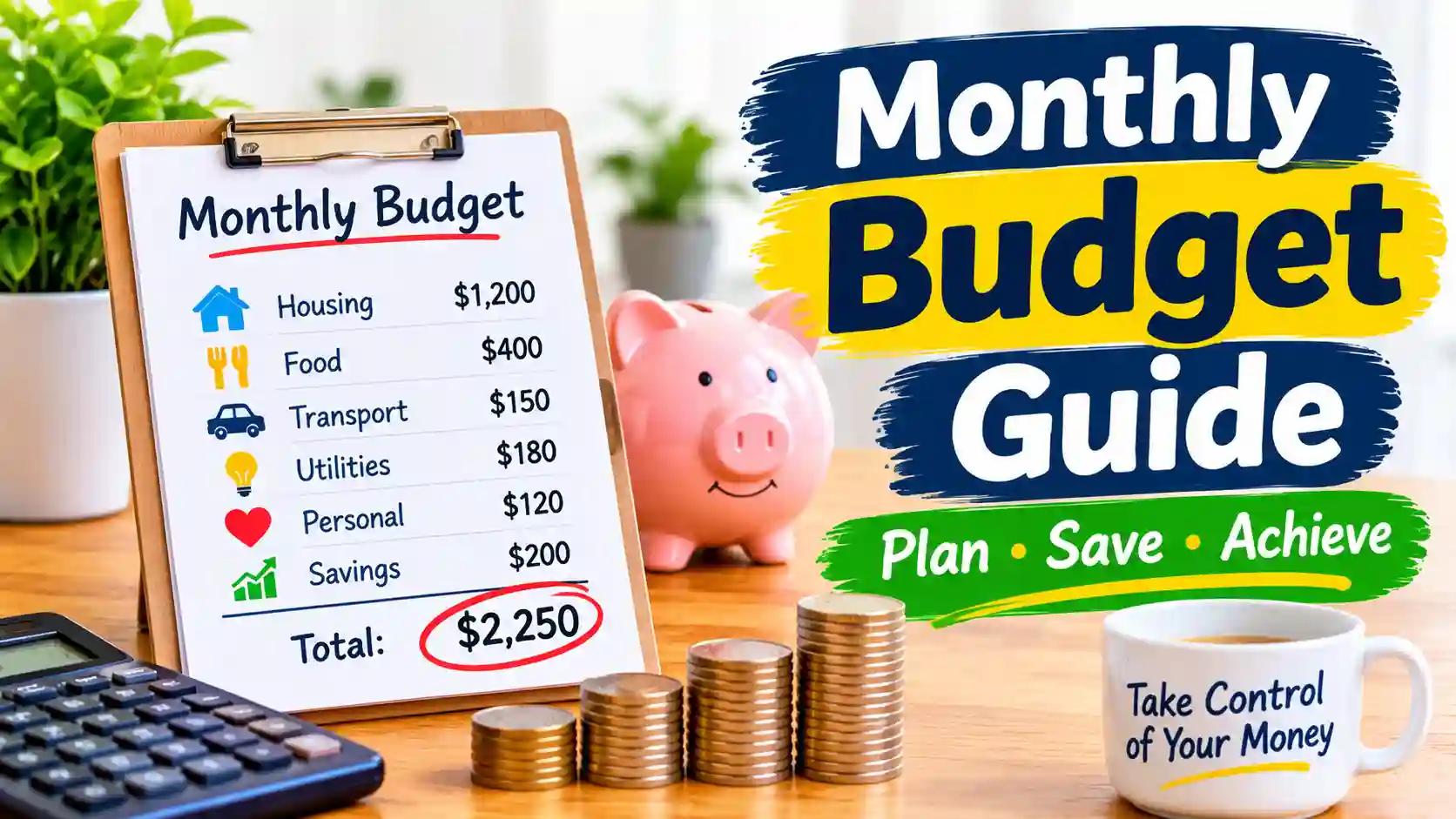
How Much Should You Save Each Month? A Practical Guide
Wondering how much of your income should go into savings? Learn how to choose a realistic monthly target, balance everyday expenses, and work toward financial goals without putting unnecessary pressure on your budget.

Saving money every month can help you prepare for unexpected expenses, plan major purchases, reduce financial stress, and work toward long-term goals. But one common question makes it difficult to get started: how much should you actually save?
You may have heard that everyone should save 20% of their income. While that can be a useful budgeting guideline, it is not realistic for every household. Your income, housing costs, debt, family responsibilities, location, and financial priorities all affect how much you can put aside.
Instead of following a percentage without considering your circumstances, build a savings target around your actual budget. Even a modest, consistent contribution can be a useful starting point.
1. What Percentage of Your Income Should You Save?
A common starting point is to save around 20% of your take-home income. This figure comes from the popular 50/30/20 budgeting framework, which divides income into needs, wants, and savings or debt repayment.
However, the 20% figure is a guideline rather than a rule. If your essential expenses are high, you may need to begin with a smaller percentage. If your income comfortably covers your needs, you may be able to save more.
Illustrative monthly savings amounts
The following examples show what different savings percentages look like at various take-home income levels.
| Monthly Income | 5% Savings | 10% Savings | 20% Savings |
|---|---|---|---|
| $2,000 | $100 | $200 | $400 |
| $3,000 | $150 | $300 | $600 |
| $4,000 | $200 | $400 | $800 |
| $5,000 | $250 | $500 | $1,000 |
| $6,000 | $300 | $600 | $1,200 |
These figures are examples, not required savings targets. They assume the income shown is money available after payroll deductions. Adjust your savings amount to reflect your real financial situation.
2. Understand the 50/30/20 Budget Rule
The 50/30/20 rule is a simple framework for organizing your take-home income. It can help you understand how much money may be available for savings after covering your needs and personal spending.
- 50% for needs: Essential housing, groceries, utilities, transportation, and required payments.
- 30% for wants: Entertainment, hobbies, dining out, and nonessential purchases.
- 20% for savings and debt goals: Emergency savings, longer-term goals, and additional debt repayment.
For someone taking home $4,000 per month, the framework would look like this:
50/30/20 Budget Example
$4,000 monthly incomeThis framework may need adjustment in areas with expensive housing or high healthcare costs. You can also use different percentages if they better reflect your priorities.
3. How to Calculate How Much You Can Save
Rather than choosing a savings percentage first, calculate how much your budget can support. This approach can help you avoid setting a target that causes missed bills or unnecessary borrowing.
Follow these steps
- Calculate take-home income: Add up reliable income after taxes and payroll deductions.
- List essential expenses: Include housing, food, utilities, transportation, healthcare, and required payments.
- Review debt obligations: Record minimum payments and any repayment amount you can reasonably afford.
- Account for irregular costs: Plan for annual bills, repairs, school expenses, and other predictable costs.
- Set aside personal spending: Allow a realistic amount for nonessential purchases.
- Choose a savings target: Use the money remaining after accounting for these priorities.
If your expenses exceed your income, focus first on understanding the shortfall. Review major costs, explore available assistance, and consider realistic income options. A budget cannot create money that is not available.
4. A Realistic Monthly Savings Example
Consider a household with $3,500 in monthly take-home income. After reviewing its expenses, it creates the following illustrative budget.
Monthly Budget Breakdown
$3,500 incomeIn this example, the household saves $400 per month, or approximately 11.4% of its take-home income. This is below the popular 20% guideline, but it may be a more manageable target for its current circumstances.
The goal is not to copy someone else's budget. It is to create a plan that covers your needs and allows you to save without relying on credit for everyday expenses.
5. Set Clear Savings Goals
Saving becomes easier to organize when you know what the money is for. Different goals may need different timelines and savings arrangements.
Short-term goals
These are goals you expect to reach within the next year or so. Examples include:
- Building an initial emergency cash reserve.
- Paying for an upcoming trip.
- Replacing a necessary household item.
- Covering annual insurance or education expenses.
Medium-term goals
These may take several years to achieve, such as saving for a vehicle, education, a home deposit, or a major planned expense.
Long-term goals
Long-term goals may include retirement, financial independence, or other objectives that require years of planning. Depending on your timeline and risk tolerance, some long-term goals may involve investing rather than keeping all funds in cash.
Keep money needed soon in an appropriate, accessible savings option. Investments can lose value and may not be suitable for money you need in the near future.
6. Prioritize Your Emergency Fund
An emergency fund is money set aside for necessary and unexpected expenses. It can help you manage situations such as urgent repairs, certain medical costs, or a temporary loss of income without immediately relying on debt.
If you do not have savings yet, consider starting with a smaller milestone that fits your circumstances. Once you have a basic cushion, you can work toward a larger reserve.
How much should an emergency fund contain?
A common longer-term guideline is three to six months of essential living expenses. For example, if your essential expenses are $2,000 each month, that range would be:
- Three months: $6,000.
- Four months: $8,000.
- Six months: $12,000.
This is a planning example, not a requirement. Your target may depend on employment stability, dependents, health needs, and access to other reliable support.
7. Should You Save or Pay Off Debt First?
If you have debt, deciding between saving and repayment can be difficult. The right balance depends on interest rates, required payments, available cash, and your financial risks.
High-interest debt can become expensive over time. Paying it down may reduce future interest costs, while keeping some accessible savings may help you handle unexpected expenses without borrowing again.
A balanced approach to consider
- Keep essential bills and required debt payments current where possible.
- Build a small cash reserve for unexpected needs.
- Direct additional money toward costly debt when appropriate.
- Increase emergency savings as your debt burden becomes more manageable.
Avoid draining all available cash to repay debt if doing so would leave you unable to cover essential expenses. Compare the costs and risks before making a decision.
8. How Much Should You Save on a Low Income?
Saving can be difficult when most of your income goes toward necessities. If your budget is already tight, a 20% savings target may be unrealistic.
Start by identifying a small amount that does not interfere with food, housing, utilities, healthcare, or required payments. Your first target might be a modest weekly or monthly contribution.
Ways to make saving more manageable
- Review recurring bills and compare lower-cost options.
- Plan grocery shopping around a realistic food budget.
- Reduce unused subscriptions where possible.
- Set aside occasional extra income when available.
- Use community resources or assistance programs if eligible.
- Look for realistic opportunities to improve your income.
If your basic expenses consistently exceed your income, the issue may not be a lack of discipline. You may need broader support, changes to major expenses, or a longer-term income plan.
9. How Much Should You Save With Irregular Income?
Freelancers, contractors, commission-based workers, and seasonal employees may not receive the same amount every month. A fixed savings amount can be difficult to maintain when income changes.
Strategies for variable earnings
- Use a conservative budget: Base essential spending on a realistic estimate of lower or typical income.
- Save more in stronger months: Direct some additional earnings toward future expenses.
- Build a cash buffer: Keep money available for periods when payments are delayed or lower.
- Plan for taxes: Set aside money for applicable tax obligations rather than treating all receipts as spendable income.
- Review your average: Use several months of income history to understand your pattern.
A percentage-based approach may work better than a fixed dollar amount when your income changes. Adjust contributions whenever your circumstances require it.
10. Automate Your Monthly Savings
Automatic transfers can make saving easier because you do not have to remember to move money every month. Many banks and financial institutions offer scheduled transfers between eligible accounts.
How to set up an automatic savings habit
- Choose a savings account suitable for your goal.
- Decide how much you can safely transfer.
- Schedule the transfer after your income arrives.
- Check your balance to avoid overdrafts or missed bills.
- Review the amount whenever your income or expenses change.
Automation should support your budget, not create new fees or cash shortages. If your income is unpredictable, manual transfers may be more suitable.
11. Where Should You Keep Your Monthly Savings?
The right place for savings depends on when you need the money, how easily you need to access it, and the level of risk you are comfortable taking.
Common savings options
- Regular savings account: May offer convenient access to money for short-term goals and emergencies.
- High-yield savings account: May offer a higher interest rate than some standard savings accounts, depending on the provider and market conditions.
- Money market deposit account: May combine savings features with certain transaction options, subject to account rules.
- Fixed-term deposit: May offer a set return for keeping money deposited for a specified period, but early withdrawal restrictions can apply.
Compare interest rates, account fees, withdrawal rules, minimum balances, provider reliability, and applicable deposit protection in your country. Product names and protections differ across regions.
Money needed for emergencies generally belongs in an accessible, relatively low-risk account rather than a volatile investment.
12. How to Increase Your Monthly Savings
Once you have established a manageable savings habit, you can look for ways to increase the amount gradually.
Practical ideas
- Review spending monthly: Identify expenses that can be reduced without harming your quality of life.
- Save part of a raise: When your income increases, consider directing some of the additional amount toward savings.
- Use unexpected money thoughtfully: Consider saving a portion of bonuses, refunds, or gifts after covering relevant obligations.
- Plan purchases: Give yourself time before making nonessential purchases.
- Reduce expensive debt: As required payments decrease, redirect available money toward savings.
- Compare recurring services: Review insurance, phone, internet, and subscription costs.
Small improvements can add up, but avoid making changes that create larger expenses later. A sustainable savings plan should remain practical.
13. Common Monthly Savings Mistakes
Setting a savings goal is useful, but some approaches can make it harder to maintain.
- Saving an unrealistic amount: A target that leaves too little for essential costs may not last.
- Ignoring high-interest debt: Saving while expensive debt grows may increase your overall financial costs.
- Using emergency savings for routine spending: Separate emergency needs from predictable monthly expenses.
- Not planning irregular bills: Annual premiums, repairs, and other predictable costs should have a place in your budget.
- Keeping every goal in one account: Separating savings by purpose can make progress easier to track.
- Comparing your savings with others: Income and financial responsibilities vary widely.
- Giving up after a difficult month: Adjust the target instead of abandoning the habit.
14. A Simple Plan to Start Saving This Month
If you are unsure where to begin, use this simple plan to create a savings routine.
Week 1: Understand your money
- Calculate your take-home income.
- List essential monthly expenses.
- Review debt balances and required payments.
- Identify irregular expenses coming soon.
Week 2: Set your first target
- Choose one clear savings goal.
- Calculate a realistic contribution amount.
- Select a suitable place to keep the money.
Week 3: Make saving easier
- Set up an automatic transfer if appropriate.
- Reduce one unnecessary recurring expense.
- Track your spending throughout the week.
Week 4: Review your results
- Check how much you saved.
- Review any unexpected costs.
- Adjust next month's target if necessary.
- Continue with a realistic plan.
15. Final Thoughts
The amount you should save each month depends on your income, essential expenses, debt, and personal goals. While 20% of take-home income is a popular guideline, it is not a requirement for everyone.
Start with an amount you can maintain. Build an emergency reserve, plan for upcoming expenses, and gradually increase your contributions when your budget allows.
Consistency and flexibility matter more than following a perfect percentage. A savings plan that fits your real life is more useful than an ambitious target you cannot sustain.
Frequently Asked Questions
1. Is saving 20% of your income a good goal?
Saving 20% of take-home income can be a useful starting guideline for people whose budgets allow it. However, the right amount depends on essential costs, debt, income, and financial goals.
2. How much should I save if I earn $3,000 a month?
At 10%, you would save $300 per month; at 20%, you would save $600. These are examples rather than requirements. Choose a contribution that fits your expenses and financial responsibilities.
3. Is saving $100 a month worth it?
Yes. If $100 fits your budget, it can help you build a savings habit and gradually create a financial cushion. The most important thing is to make the contribution sustainable.
4. Should I save money every week or every month?
Either approach can work. Weekly savings may fit people who receive weekly paychecks, while monthly transfers may be convenient for people with regular monthly income. Choose a schedule that matches your cash flow.
5. Should I build an emergency fund before investing?
Having accessible emergency savings can help protect you from unexpected expenses. The appropriate amount depends on your circumstances. Investing involves risk, so money needed for near-term emergencies is generally better kept in an accessible, lower-risk option.
6. How much should I save if I have debt?
Consider keeping some accessible savings while making required debt payments. If you have high-interest debt, compare the cost of interest with your need for a cash reserve before deciding how to divide extra money.
7. Where should I keep my monthly savings?
For short-term goals and emergencies, consider an accessible savings account with suitable fees and protections. For longer-term goals, compare options based on your timeline, risk tolerance, and financial circumstances.
8. What if I cannot save money every month?
Review your income and essential expenses to understand why. If your budget is tight, focus on necessary costs, available support, and realistic income opportunities. You can restart savings when your circumstances improve.
Meet the Author

Bruce Lee
Bruce Lee is the author behind Nksaas. He focuses on creating accessible personal finance content covering budgeting, saving, credit basics, side hustles and beginner investing concepts.
Email: info.nksaas@gmail.com