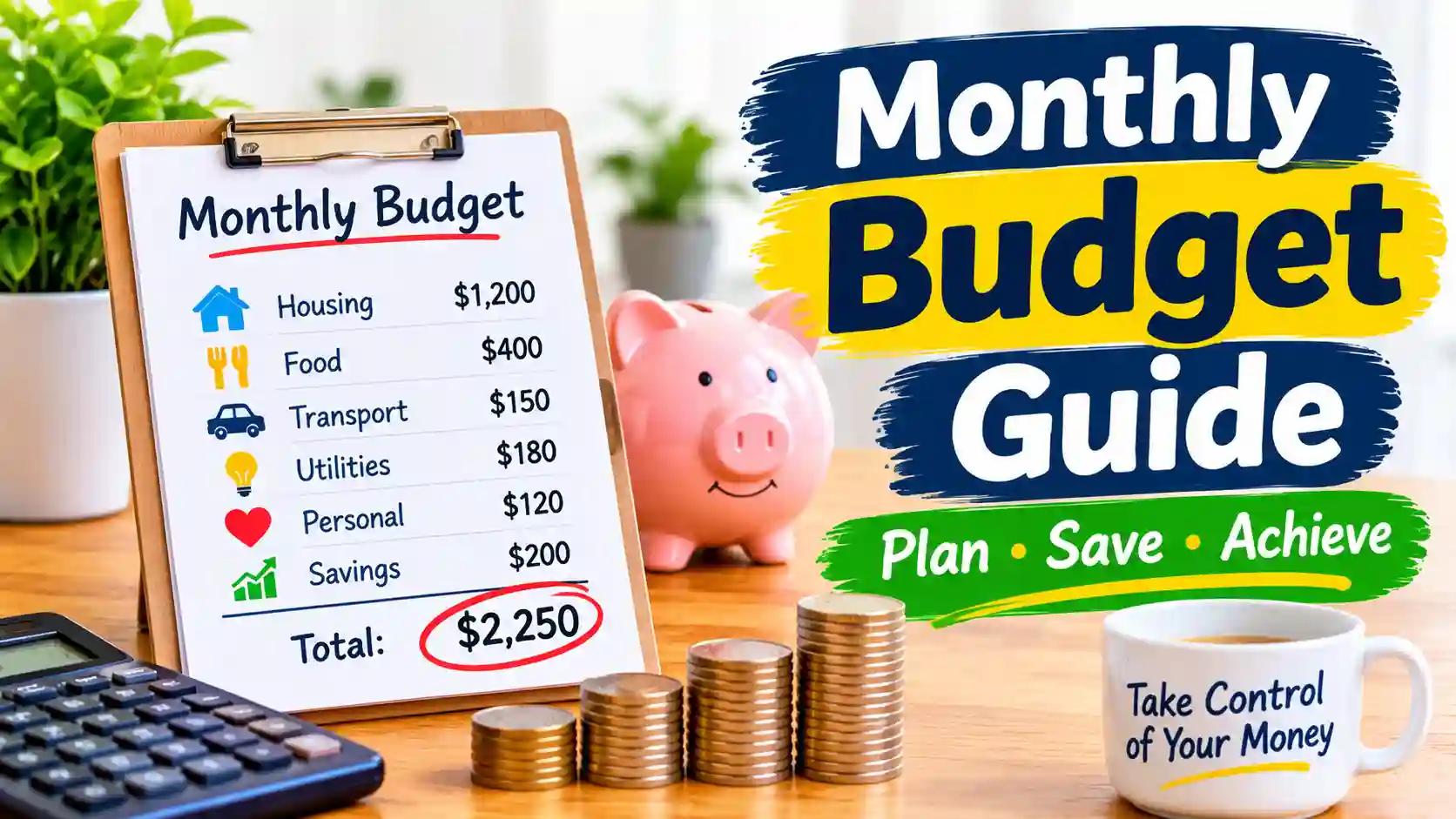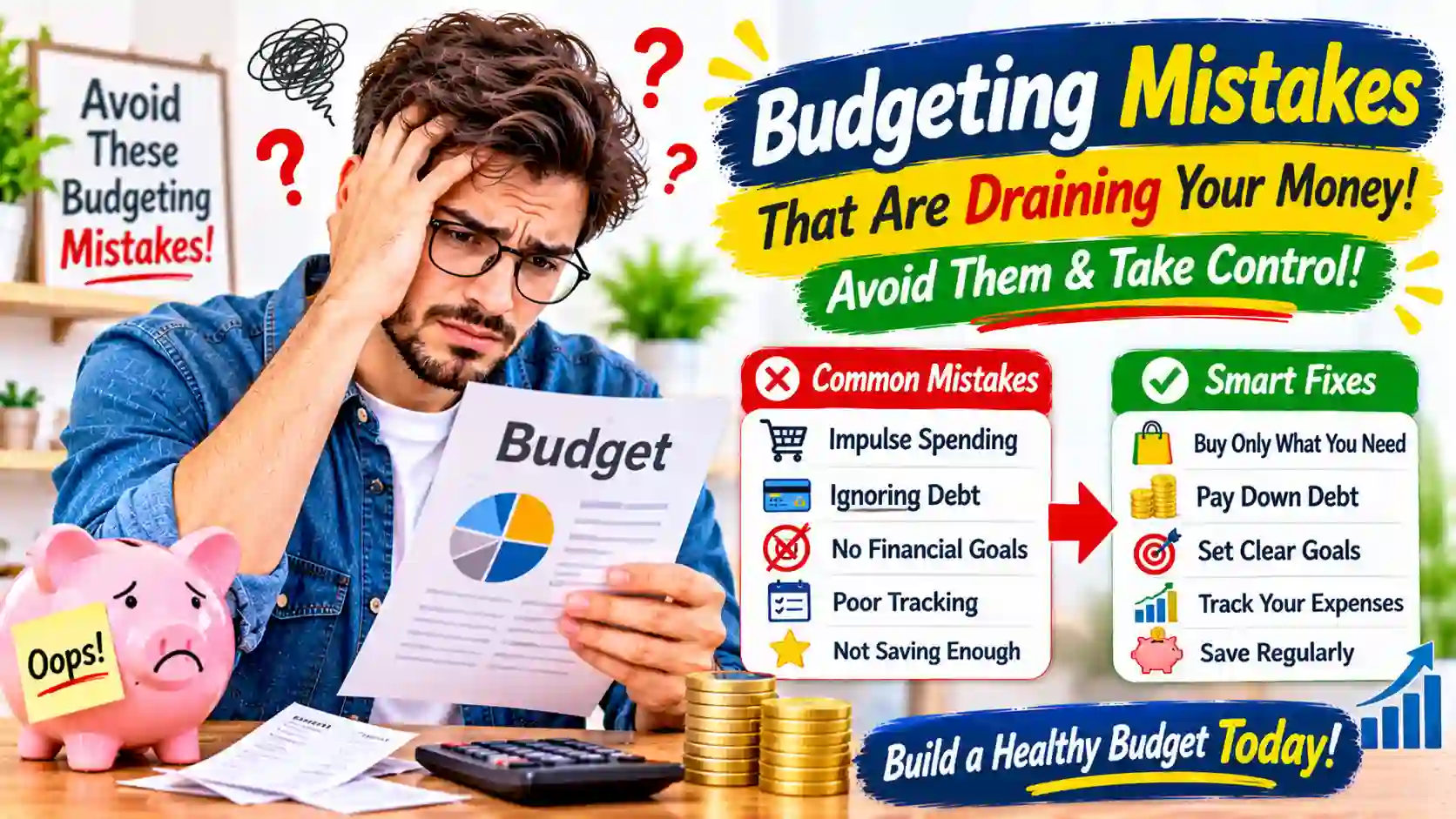

Managing money well can make everyday life less stressful and help you prepare for future needs. However, financial progress does not usually happen because of one big decision. It often comes from small choices repeated over time.
Checking your spending, setting aside savings, paying bills on time, and planning purchases may seem like simple actions. Together, they can create a stronger financial routine.
Whether you are starting your first budget or improving an existing financial plan, these 15 smart money habits can help you build a more organized approach to your finances.
Table of Contents
Why Smart Money Habits Matter
Your financial situation is influenced by the decisions you make regularly. Without a clear plan, it can become difficult to understand where your money goes or how much you can afford to save.
Smart financial habits provide structure. They help you make decisions based on your priorities rather than temporary emotions or pressure to spend.
Consistent money habits can help you:
- Understand your income and spending patterns.
- Prepare for unexpected expenses.
- Reduce unnecessary purchases.
- Manage debt more effectively.
- Work toward meaningful financial goals.
- Make more informed saving and investing decisions.
15 Smart Money Habits to Develop
1. Create and Follow a Realistic Budget
A budget gives you a clear picture of how much money comes in and where it goes. It helps you plan for essential expenses, savings, debt payments, and optional spending.
Start by listing your income and regular expenses. Include housing, groceries, transportation, utilities, insurance, debt payments, and other important costs.
Choose a budgeting method that suits your lifestyle. You might use a simple spreadsheet, a notebook, or a budgeting app. The most useful budget is one you can maintain consistently.
2. Pay Yourself First
Saving should be part of your financial plan rather than something you do only when money is left over.
Consider setting aside a realistic amount from each paycheck before spending on optional purchases. You can automate the transfer if your bank offers this feature.
Start with an amount that does not interfere with essential bills or debt obligations. Increase it gradually when your income or financial situation improves.
3. Track Your Spending Regularly
Small purchases can be difficult to remember. Tracking your spending helps you identify patterns and understand which categories take up the largest part of your income.
Review bank statements, card transactions, and cash expenses. You do not need to record every detail forever, but regular reviews can reveal opportunities to improve your spending habits.
4. Build an Emergency Fund
Unexpected expenses such as medical bills, essential repairs, or temporary income interruptions can disrupt your financial plans.
An emergency fund provides money for genuine unexpected needs. Begin with a manageable savings milestone, then work toward a larger reserve based on your essential expenses, income stability, and personal circumstances.
A commonly used long-term target is three to six months of essential living expenses, although the right amount depends on your situation.
5. Avoid Impulse Purchases
Buying something immediately because it looks attractive or is advertised as a limited-time deal can lead to unnecessary spending.
Before making a nonessential purchase, pause and ask yourself whether you actually need the item and whether it fits your budget.
A 24-hour waiting period can help with smaller purchases. For more expensive items, consider taking several days to compare options and think through the decision.
6. Pay Your Bills on Time
Late payments may lead to additional fees, service interruptions, or negative credit reporting, depending on the type of account and local rules.
Keep a calendar of due dates and consider setting up reminders or automatic payments where appropriate. Make sure enough money is available in the linked account to avoid overdrafts or returned payments.
7. Manage Credit Card Debt Carefully
Credit cards can be convenient, but carrying balances may become expensive when interest and fees accumulate.
Understand your card's interest rate, billing cycle, minimum payment, and grace period. Whenever possible, pay the full statement balance by the due date to avoid interest on eligible purchases under your card agreement.
If you already have balances, create a repayment plan and avoid adding unnecessary new debt.
8. Set Clear Financial Goals
Saving becomes more purposeful when you know what you are working toward.
Your goals might include building emergency savings, paying off debt, buying a home, preparing for education expenses, or saving for retirement.
Give each goal a target amount and a realistic time frame. Break larger goals into smaller milestones so you can measure your progress.
9. Live Within Your Means
Spending more than you can comfortably afford can make it difficult to save and may lead to debt.
Before taking on a new recurring expense, consider how it will affect your budget. A higher income does not automatically create financial stability if spending increases at the same rate.
Try to keep essential commitments manageable and leave room for savings and unexpected costs.
10. Review Subscriptions and Recurring Payments
Monthly subscriptions can quietly become a significant expense. Streaming platforms, software, memberships, and app services may continue charging even when you no longer use them.
Review recurring payments every few months. Cancel services you do not need and compare alternatives before renewing expensive plans.
11. Learn Basic Financial Concepts
Understanding financial terms can help you make better decisions. Learn about interest rates, inflation, credit reports, compound growth, taxes, and investment risk.
Use reliable educational resources and check the rules that apply in your country. Financial products and consumer protections can differ significantly between locations.
12. Save for Irregular Expenses
Not every expense arrives monthly. Annual insurance payments, vehicle maintenance, holidays, school costs, and home repairs may occur only occasionally.
Estimate these costs where possible and set aside money regularly. This can reduce the need to rely on credit when a predictable expense arrives.
13. Protect Your Financial Information
Good money management also includes protecting your accounts and personal information.
- Use strong, unique passwords for financial accounts.
- Enable multi-factor authentication when available.
- Avoid sharing one-time verification codes.
- Be cautious of unexpected messages requesting payment or account details.
- Review account activity and report suspicious transactions promptly.
Contact your bank or financial institution through its official website or phone number if you suspect fraud.
14. Increase Your Savings When Your Income Grows
A salary increase, bonus, or additional income can provide an opportunity to improve your financial position.
Instead of increasing every expense immediately, consider directing part of the extra income toward emergency savings, debt repayment, retirement contributions, or another important goal.
You can still enjoy some of your increased income while maintaining a balanced financial plan.
15. Review Your Financial Progress Regularly
Your needs and priorities may change over time. A budget that worked last year may no longer fit your current income, household expenses, or goals.
Set aside time each month to review your spending, savings, debts, and progress toward financial goals. Make adjustments when necessary rather than following an outdated plan.
How to Build a Money Management Routine
Changing many habits at once can be difficult. A simple routine can help you develop new behaviors without feeling overwhelmed.
Start With One or Two Changes
Choose habits that can make a meaningful difference in your current situation. For example, you might begin tracking spending and setting up a small automatic savings transfer.
Choose a Regular Review Day
Pick a convenient day each week to review recent purchases, upcoming bills, and your savings progress. A short review can help you stay aware of your finances.
Make Good Habits Easier
Use reminders, automatic transfers, spending alerts, and calendar events to reduce the effort required to manage your money.
Measure Progress Without Expecting Perfection
Some months will be more expensive than others. Unexpected events can affect even a well-planned budget. Treat setbacks as a reason to adjust your plan rather than abandon it.
Financial Habits to Avoid
Building smart habits also means recognizing behaviors that may undermine your progress.
- Ignoring your spending: Without reviewing transactions, it is harder to identify unnecessary expenses.
- Saving without a goal: Clear priorities can make it easier to stay consistent.
- Relying on minimum payments: Minimum payments may keep an account current but can extend repayment and increase interest costs.
- Chasing every financial trend: Understand risks and costs before following popular money advice.
- Comparing your finances with others: Different people have different incomes, responsibilities, and circumstances.
- Ignoring small recurring costs: Subscriptions and service fees can add up over time.
- Expecting instant results: Strong financial habits are usually built through consistent decisions.
Final Thoughts
Smart money habits can help you create a more organized and confident approach to your finances. Budgeting, saving regularly, controlling debt, tracking expenses, and protecting your accounts are practical steps that can support long-term financial health.
You do not need to master every habit immediately. Start with the changes that matter most to your current situation, build consistency, and review your progress as your needs evolve.
Financial improvement is a process. Small, thoughtful decisions made regularly can help you move toward your goals.
Frequently Asked Questions
1. What are the most important smart money habits?
Some useful habits include creating a budget, tracking spending, saving consistently, paying bills on time, managing debt carefully, and reviewing financial goals regularly.
2. How can I improve my financial habits?
Start with one manageable change, such as reviewing expenses each week or setting up an automatic savings transfer. Build on that habit gradually instead of trying to change everything at once.
3. How much of my income should I save?
The right amount depends on your income, essential expenses, debt, and financial goals. Some people use a percentage-based savings target, while others begin with a fixed amount they can comfortably afford.
4. Why is budgeting important?
Budgeting helps you understand your income and expenses, plan for important costs, reduce unnecessary spending, and make room for savings and financial priorities.
5. Should I save money or pay off debt first?
It depends on your circumstances. Many people benefit from maintaining some emergency savings while prioritizing expensive debt. Consider interest rates, minimum payments, available cash, and the risks of unexpected expenses when choosing a plan.
6. How often should I review my finances?
A brief weekly spending check and a more detailed monthly review can work well for many people. You should also revisit your financial plan when your income, expenses, or personal circumstances change.
Financial Disclaimer
This article is for general educational and informational purposes only. It does not provide personalized financial, tax, legal, or investment advice. Financial products, regulations, and consumer protections vary by country. Consider consulting a qualified professional when appropriate.
Meet the Author

Bruce Lee
Bruce Lee is the author behind Nksaas. He focuses on creating accessible personal finance content covering budgeting, saving, credit basics, side hustles and beginner investing concepts.
Email: info.nksaas@gmail.com