How to Stop Living Paycheck to Paycheck: 12 Practical Steps
Feeling like your entire paycheck disappears before the next one arrives? Learn how to understand your cash flow, manage expenses, reduce financial pressure, and gradually build a savings cushion.

Getting paid can feel like a temporary relief when most of your income is already committed to rent, groceries, transportation, bills, debt payments, and other necessities. Before long, the next payday becomes the only thing keeping your finances moving.
This situation is commonly described as living paycheck to paycheck. It can affect people at different income levels. Sometimes the problem is high living costs, irregular income, or debt payments. In other cases, spending habits and a lack of planning make it harder to keep money available.
Breaking this cycle does not necessarily require a dramatic lifestyle change or a much higher salary. It often starts with understanding where your money goes, making a realistic plan, and creating a small financial buffer.
1. What Does Living Paycheck to Paycheck Mean?
Living paycheck to paycheck generally means relying on your next payment to cover regular expenses because little or no money remains after paying current obligations.
It does not always mean someone earns a low income. A household with a relatively high salary may still struggle if housing costs, debt, childcare, transportation, and other commitments take up most of its earnings.
Common signs of this financial pattern
- You regularly run out of money before your next payday.
- You rely on credit cards for routine expenses.
- Unexpected bills cause immediate financial stress.
- You have little or no emergency savings.
- You delay essential payments because of cash shortages.
- You cannot consistently save money after receiving income.
- You depend on your next paycheck to cover expenses from the previous month.
Recognizing these patterns is a useful first step. It helps you identify what needs attention instead of blaming yourself for a situation that may also involve rising costs or limited income.
2. Why Do People Live Paycheck to Paycheck?
There is rarely one reason behind ongoing financial pressure. Several factors can combine to leave very little money available between paydays.
Common causes
- High fixed expenses: Housing, transportation, insurance, and childcare may consume a large portion of income.
- Irregular earnings: Freelancers, contractors, and hourly workers may receive different amounts each month.
- Debt payments: Credit card balances, personal loans, and other obligations can reduce available cash.
- Unplanned spending: Frequent purchases and impulse buying can make it difficult to follow a budget.
- Limited savings: Without an emergency fund, unexpected costs may need to be covered with borrowed money.
- Income interruptions: Reduced working hours, job changes, or delayed payments can disrupt a household budget.
- Rising living costs: Increases in food, housing, utilities, and transportation can reduce purchasing power.
Understanding the cause matters because cutting small expenses may not solve a problem caused mainly by rent, medical costs, or insufficient income. Your plan should address the biggest pressures first.
3. Calculate Your Actual Monthly Income
Before changing your spending, determine how much money you actually have available. Use your take-home income rather than your salary before taxes and deductions.
If you receive a regular paycheck, review your pay statements and calculate the amount deposited into your account. If your income changes, look at several recent months to understand the range of your earnings.
What to include
- Regular employment income after deductions.
- Reliable freelance or contract payments.
- Consistent business income after relevant costs.
- Other recurring income you can reasonably expect.
Avoid building your essential budget around uncertain bonuses, occasional gifts, or side income that may not arrive every month.
4. Track Every Expense for 30 Days
It is difficult to improve your cash flow if you do not know where your money goes. Track your purchases and payments for at least one month to establish a realistic picture of your spending.
Organize expenses into categories
- Housing: Rent, mortgage, property-related costs, and basic maintenance.
- Utilities: Electricity, water, heating, internet, and phone bills.
- Food: Groceries, meals, and occasional takeout.
- Transportation: Fuel, public transport, vehicle payments, and maintenance.
- Debt: Credit cards, loans, and other required payments.
- Personal spending: Entertainment, shopping, subscriptions, and hobbies.
- Savings: Emergency savings and other planned financial goals.
You can use a spreadsheet, budgeting app, or simple notebook. The important thing is to record expenses consistently and review the totals.
5. Create a Realistic Monthly Budget
A budget gives every part of your income a purpose. It helps you plan for essential expenses, debt payments, savings, and personal spending before the money is used.
Start with your take-home income. Subtract essential expenses and minimum debt payments. Then decide how much you can realistically put toward savings and additional debt repayment.
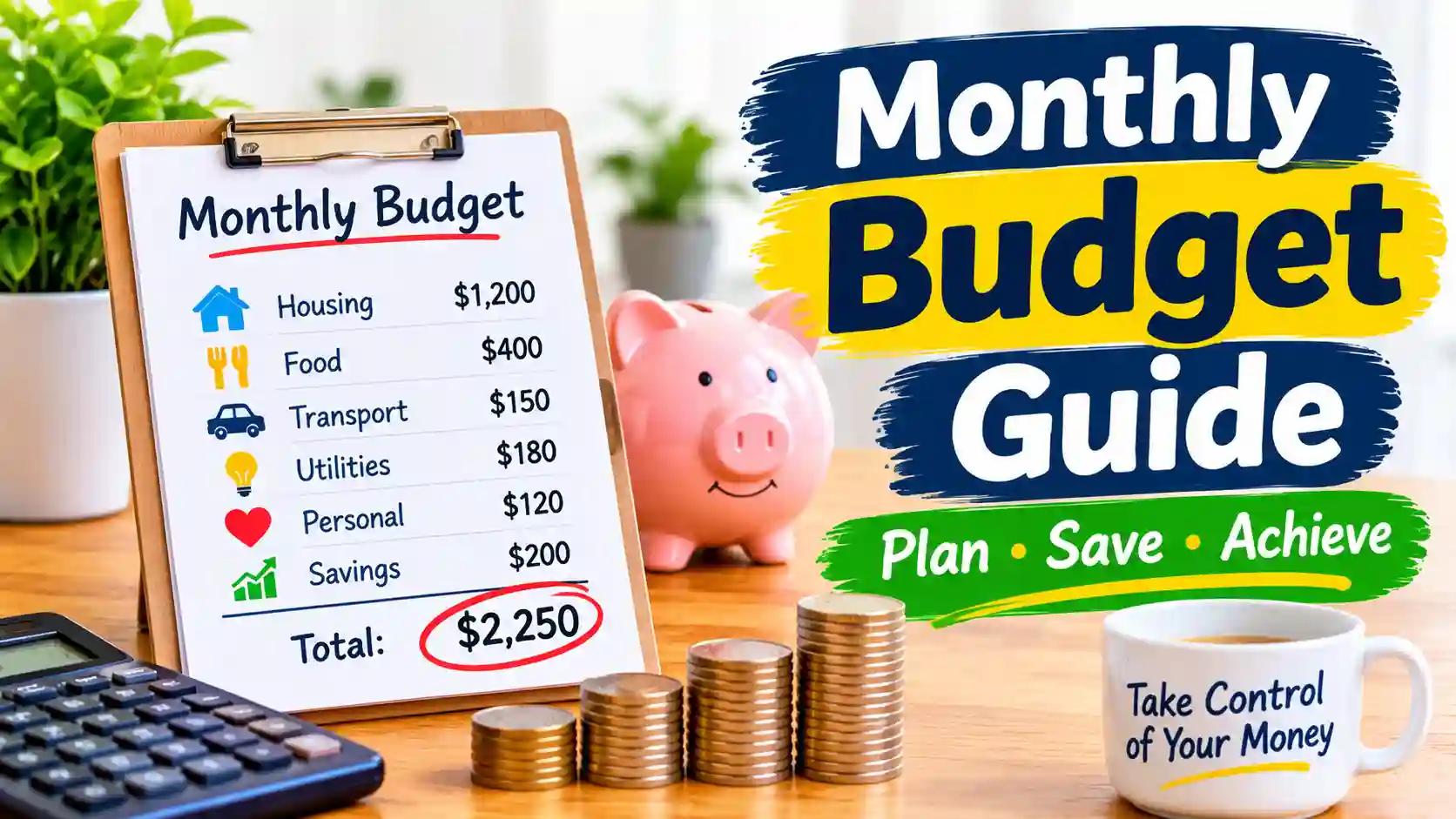
Example monthly budget
Imagine a household receives $3,500 in monthly take-home income. The following is an illustrative allocation, not a recommended percentage for every household.
Illustrative Monthly Budget
$3,500 total incomeThis example leaves some money for personal spending while allocating funds to savings and debt. Your actual budget may look very different depending on your location, household size, income, and obligations.
If your essential costs already exceed your income, do not assume that cutting small purchases will fix everything. Review larger expenses, available assistance, debt options, and ways to increase reliable income.
6. Prioritize Essential Expenses
When money is limited, prioritize expenses that protect your basic needs, safety, and ability to earn income.
These may include housing, basic utilities, food, necessary transportation, essential healthcare, and required insurance. The exact priorities depend on your circumstances and local rules.
Review nonessential spending
- Pause subscriptions you rarely use.
- Reduce frequent restaurant and delivery spending.
- Compare phone, internet, and insurance plans.
- Delay nonessential purchases when possible.
- Look for lower-cost entertainment options.
Focus on changes that make a meaningful difference without creating new problems. For example, skipping necessary vehicle maintenance may lead to more expensive repairs later.
7. Make a Plan to Manage High-Interest Debt
Debt payments can take a large share of each paycheck, especially when balances carry high interest. A repayment plan can help you reduce this pressure over time.
Two common repayment approaches
Debt avalanche: Pay minimum amounts on all debts, then direct extra money toward the debt with the highest interest rate. This approach can reduce interest costs when followed consistently.
Debt snowball: Pay minimum amounts on all debts, then focus extra money on the smallest balance. Clearing smaller balances first may provide motivation.
Both approaches require keeping up with minimum payments where possible. Compare your interest rates, fees, repayment terms, and available options before choosing a strategy.
If you are struggling to make payments, contact your lender or a reputable nonprofit credit counseling organization to ask about available hardship options. Be cautious of companies that guarantee debt elimination or demand large upfront fees.
8. Start Building a Small Emergency Fund
Unexpected expenses can push an already tight budget into more debt. An emergency fund provides money for necessary costs that are difficult to predict.
You do not need to save several months of expenses immediately. Start with a small, achievable milestone based on your income and circumstances.
Build savings in stages
- Choose a first savings target you can realistically reach.
- Set aside a small amount from each paycheck.
- Keep emergency money separate from everyday spending.
- Increase contributions when your budget allows.
- Work toward a larger reserve over time.
A longer-term goal is often three to six months of essential expenses, but the appropriate amount varies. People with irregular income, dependents, or less predictable employment may need a different target.
9. Save Something on Every Payday
Waiting until the end of the month to save can be difficult when money is already committed to other expenses. If your budget allows, move a planned amount into savings soon after receiving income.
An automatic transfer can make this process easier. Choose an amount that does not interfere with essential bills or required debt payments.
If money is extremely tight, start with a very small contribution or save only when your cash flow allows. Consistency matters, but you should not create overdraft fees or miss essential payments just to meet a savings target.
10. Plan Your Money Between Paychecks
A monthly budget is useful, but people who receive weekly, biweekly, or irregular payments may also need a paycheck-by-paycheck plan.
List your upcoming pay dates and the due dates for major bills. Assign each bill to the paycheck that will cover it, while leaving enough money for food, transportation, and other needs between payments.
Simple paycheck planning steps
- Write down your expected payment dates.
- List bills and their due dates.
- Identify essential spending needed before the next payday.
- Set aside money for bills that are due later.
- Check whether due dates can be adjusted with the provider.
If your income is irregular, use a conservative estimate based on reliable earnings. Keep extra income available for months when payments are lower.
11. Review Your Biggest Recurring Costs
Small spending changes can help, but recurring costs often have a larger effect on long-term cash flow. Review the expenses that appear every month or year.
Areas worth reviewing
- Housing: Consider whether your current arrangement is affordable over the long term.
- Transportation: Compare commuting costs and available alternatives.
- Insurance: Review coverage and compare suitable providers without losing essential protection.
- Phone and internet: Check whether lower-cost plans meet your needs.
- Subscriptions: Remove services that no longer provide enough value.
- Debt: Review interest rates and possible repayment or hardship options.
Major changes may involve trade-offs, moving costs, or contractual restrictions. Compare the full cost before making a decision.
12. Look for Ways to Increase Reliable Income
Sometimes expenses are already close to the minimum needed for everyday life. In that situation, increasing income may be an important part of improving your financial position.
Possible income opportunities
- Ask about additional hours or advancement opportunities at your current job.
- Explore better-paid roles that match your experience.
- Develop skills that are in demand in your field.
- Consider freelancing or part-time work if your schedule allows.
- Sell unused items that are in good condition.
- Explore a small service-based business with manageable startup costs.
Additional income may come with taxes, expenses, and time commitments. Calculate what you may actually keep after costs and make sure extra work does not harm your health or primary responsibilities.
13. Avoid Using New Debt to Cover Everyday Spending
Credit cards and short-term borrowing can sometimes help with a genuine emergency, but regularly using debt for routine expenses can make future paychecks even harder to manage.
Before borrowing, consider whether the expense is essential, whether another payment arrangement is available, and how much the borrowing will cost.
Habits that may help
- Keep track of credit card balances and payment dates.
- Understand interest rates and fees before borrowing.
- Avoid cash advances and expensive short-term loans when possible.
- Build a small cash buffer for common unexpected costs.
- Do not borrow money to fund speculative investments or unrealistic income schemes.
14. Review Your Progress Every Month
Your budget should change as your circumstances change. Review your spending, income, savings, and debt at the end of each month.
Questions to ask yourself
- Did I spend more or less than expected?
- Which expenses were difficult to manage?
- Was I able to save anything?
- Did I reduce any outstanding debt?
- Are upcoming bills covered?
- Does my budget need to change next month?
Progress may be slow, especially when living costs are high or income is limited. A month with no savings does not mean you have failed. Use the information to adjust your next plan.
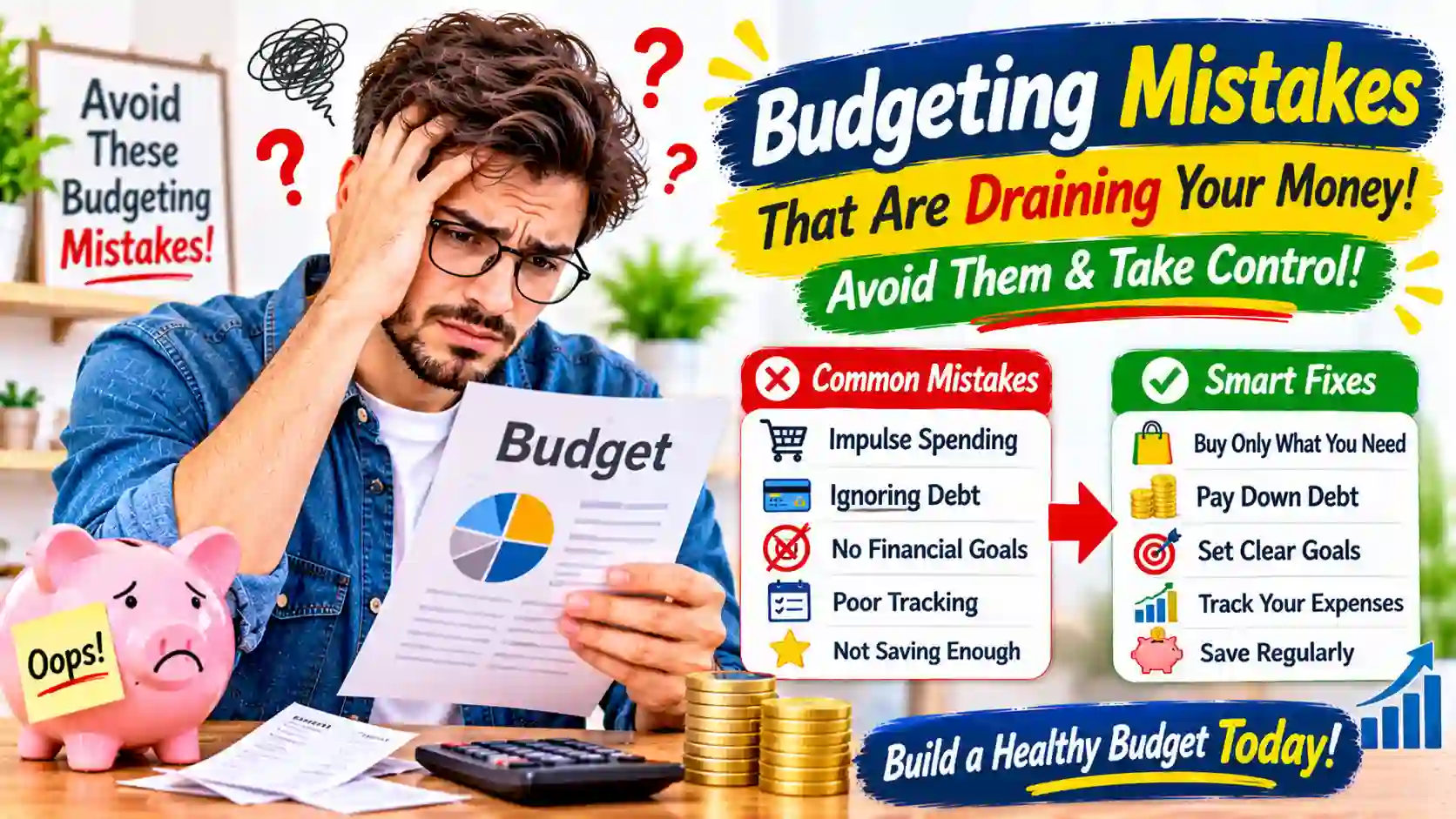
15. Common Mistakes to Avoid
Trying to change everything at once can make a financial plan difficult to maintain. Watch out for these common mistakes.
- Setting unrealistic savings goals: Choose targets that fit your actual income and obligations.
- Ignoring irregular expenses: Plan for annual bills, repairs, school costs, and other predictable expenses.
- Cutting essentials: Do not sacrifice necessary food, healthcare, or safety to meet an arbitrary budget.
- Relying on uncertain income: Avoid treating occasional earnings as guaranteed monthly money.
- Ignoring debt interest: Understand how interest and fees affect outstanding balances.
- Giving up after one difficult month: Review what happened and make adjustments rather than abandoning the plan.
- Comparing your finances with others: Different households have different income, responsibilities, and living costs.
16. Final Thoughts
Stopping the paycheck-to-paycheck cycle is a process, not a one-time decision. It starts with understanding your cash flow, identifying the biggest financial pressures, and creating a plan that works with your actual circumstances.
Focus on manageable steps: track expenses, prioritize essentials, plan for bills, reduce costly debt where possible, and build emergency savings gradually. If your income cannot cover basic needs, also explore income support, qualified financial counseling, and realistic ways to improve earnings.
You do not need a perfect budget to make progress. A practical plan that you review and adjust regularly can help you build more financial breathing room over time.
Frequently Asked Questions
1. How do I stop living paycheck to paycheck?
Start by calculating your take-home income and tracking expenses. Build a realistic budget, prioritize essential bills, review debt payments, and begin saving a manageable amount when possible. If basic expenses exceed income, look into available assistance and ways to improve earnings.
2. Can I stop living paycheck to paycheck on a low income?
It can be challenging, particularly when housing, food, and transportation costs are high. Tracking expenses and reviewing available support may help, but budgeting alone cannot solve every income shortfall. Consider qualified financial counseling and local assistance programs if necessary.
3. How much money should I save from each paycheck?
There is no single amount that works for everyone. Choose a contribution that fits your budget after essential expenses and required payments. Even a small amount may help you begin building a savings habit.
4. Should I pay off debt or build an emergency fund first?
The right balance depends on your interest rates, cash flow, and financial risks. Keeping some money available for urgent expenses may help prevent additional borrowing, while high-interest debt may deserve priority. Consider your circumstances and seek qualified advice if needed.
5. What is a good first emergency fund goal?
Choose a realistic amount that could help cover a common unexpected expense. You can increase the target gradually. A longer-term goal may be several months of essential expenses, depending on your circumstances.
6. How can I budget when my income changes every month?
Review your recent earnings and create an essential budget using a conservative income estimate. Prioritize basic costs and keep surplus income available for lower-income months. A separate reserve can help manage fluctuations.
7. Is living paycheck to paycheck always caused by overspending?
No. High housing costs, limited wages, medical expenses, debt, family responsibilities, and irregular employment can all contribute. Reviewing spending is useful, but it is important to identify the actual causes rather than assuming every situation is a spending problem.
8. How long does it take to break the paycheck-to-paycheck cycle?
The timeline varies based on income, living costs, debt, and unexpected expenses. Some people may improve their cash flow quickly, while others need a longer-term plan. Focus on sustainable progress instead of a fixed deadline.
Meet the Author

Bruce Lee
Bruce Lee is the author behind Nksaas. He focuses on creating accessible personal finance content covering budgeting, saving, credit basics, side hustles and beginner investing concepts.
Email: info.nksaas@gmail.com