12 Financial Goals to Set in Your 20s for a Stronger Future
Your 20s are a valuable time to build financial habits that can support you for years. Explore practical goals for saving, managing debt, building credit, and preparing for the future without feeling pressured to achieve everything at once.

Your 20s can bring major financial changes. You may start your first full-time job, move into your own place, pay off education costs, or begin supporting a family. These experiences can make money management feel challenging, especially when you are still learning how to balance income, expenses, and future plans.
The good news is that you do not need a high salary or a perfect financial plan to make progress. Small, consistent steps can help you develop stronger money habits and prepare for future responsibilities.
In this guide, we will explore 12 practical financial goals to consider in your 20s, along with realistic ways to work toward each one.
Table of Contents
Why Financial Goals Matter in Your 20s
Financial goals give your money a purpose. Instead of spending without a clear plan, you can decide what matters most and direct your income toward those priorities.
Your 20s may also provide an opportunity to develop habits before financial responsibilities become more complicated. Learning to budget, save consistently, understand credit, and manage debt can make future decisions easier.
However, everyone's situation is different. Your income, location, family responsibilities, education costs, and career path will influence which goals should come first. Treat the goals below as a flexible guide rather than a strict checklist.
12 Financial Goals to Set in Your 20s
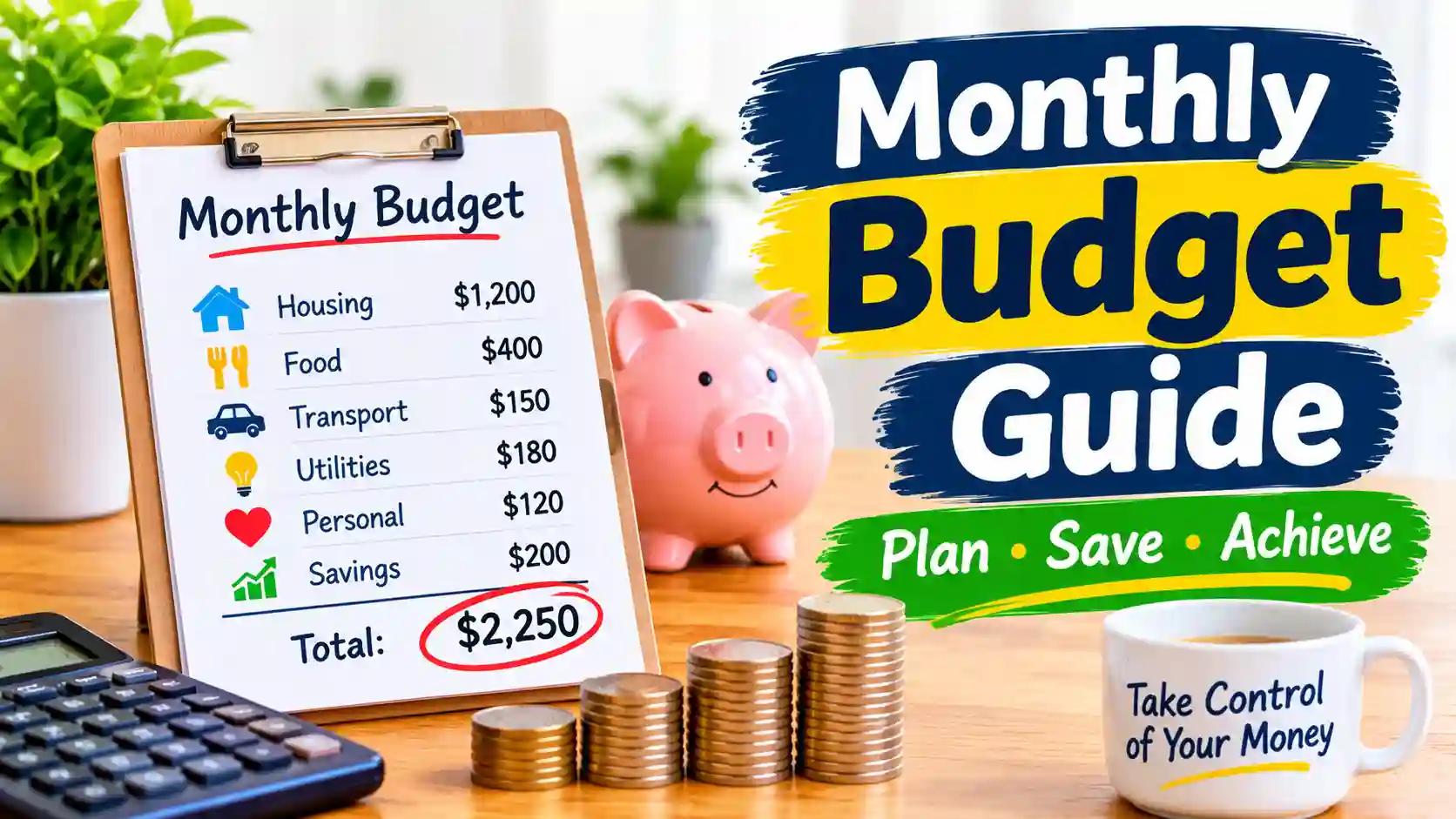
1. Build a Monthly Budget
A monthly budget helps you understand how much money comes in and where it goes. Without a clear spending plan, it can be difficult to know whether you are spending too much in certain categories or saving enough for your priorities.
Start by listing your take-home income, essential bills, debt payments, flexible spending, and savings contributions. Review your transactions to make sure your estimates are realistic.
How to get started:
- Calculate your regular monthly income.
- List housing, food, transportation, and utility costs.
- Include debt payments and recurring subscriptions.
- Set realistic limits for optional spending.
- Choose an affordable amount for savings.
2. Start Building an Emergency Fund
Unexpected expenses can disrupt your finances. A medical bill, urgent car repair, temporary job loss, or necessary home repair may require money you did not plan to spend.
An emergency fund gives you a financial reserve for these situations and may reduce the need to rely on expensive borrowing.
A common long-term target is three to six months of essential living expenses, although the right amount depends on your income stability, household responsibilities, and personal circumstances.
How to get started: Set a small initial target, such as $500 or $1,000 if that amount is appropriate for your circumstances. Then work toward a larger reserve over time.
3. Pay Down High-Interest Debt
High-interest debt can make it harder to save and work toward other goals. Credit card balances are one example of debt that may become expensive when carried from month to month.
Make a list of your debts, including their balances, interest rates, and minimum payments. Keep required payments current and consider directing extra money toward high-interest balances when your essential needs and emergency priorities are covered.
Two common repayment strategies are:
- Debt avalanche: Focus extra payments on the debt with the highest interest rate first.
- Debt snowball: Focus extra payments on the smallest balance first while maintaining minimum payments on other debts.
4. Understand and Build Your Credit History
Credit history may influence your ability to access certain financial products and services. In some countries, lenders and other businesses may use credit information when assessing applications.
Learn how credit reporting works where you live. Pay attention to payment due dates, review your credit reports where available, and avoid borrowing more than you can comfortably repay.
How to get started:
- Learn the difference between a credit report and a credit score.
- Pay required bills and credit payments on time.
- Keep credit card balances manageable.
- Check your credit reports for errors when free access is available.
- Avoid applying for multiple credit products without a clear reason.
5. Begin Saving for Retirement
Retirement may seem far away in your 20s, but starting early can give your savings more time to grow. Even modest, regular contributions may become meaningful over a long period.
Depending on your country, you may have access to employer-sponsored retirement plans, individual retirement accounts, pension arrangements, or other long-term savings options.
How to get started:
- Understand the retirement plans available where you live.
- Check whether your employer offers matching contributions.
- Review fees, investment options, and withdrawal rules.
- Choose contributions that fit your current financial situation.
Do not ignore high-interest debt or urgent financial needs just to meet an arbitrary retirement savings target. Build a balanced plan that reflects your priorities.
6. Learn the Basics of Investing
Investing may help you work toward long-term financial goals, but it involves risk. Investments can lose value, and returns are never guaranteed.
Before investing, understand your goals, time horizon, risk tolerance, and the products available in your country. Learn the basics of stocks, bonds, funds, diversification, and fees.
How to get started:
- Learn basic investment terms and concepts.
- Understand the difference between saving and investing.
- Research regulated investment platforms.
- Compare fees and investment risks.
- Avoid investing money you may need for immediate expenses.
7. Create a Savings Goal for Major Purchases
Your 20s may include major purchases such as a reliable vehicle, professional equipment, education, moving costs, or a home deposit.
Planning ahead can help you avoid unnecessary debt and make these purchases with greater confidence.
How to get started:
- Choose a specific purchase or financial target.
- Research its realistic total cost.
- Decide when you would like to reach the goal.
- Calculate a monthly savings amount.
- Keep the money in an appropriate account based on when you need it.
8. Develop a Plan for Increasing Your Income
Saving is important, but increasing your earning potential can also support your financial goals. Your 20s may be a useful time to develop professional skills, explore career opportunities, or build additional income sources.
You could consider professional certifications, improving your technical skills, freelancing, tutoring, or part-time work that fits your schedule.
How to get started: Identify one skill that could improve your career prospects. Set aside regular time to learn and build experience, and research opportunities in your industry.
9. Learn to Manage Credit Cards Responsibly
Credit cards can offer convenience and, depending on the product, certain benefits. However, carrying a balance can lead to interest charges and additional financial pressure.
Understand the interest rate, fees, statement balance, minimum payment, and due date before using a credit card.
How to get started:
- Use a card only for purchases you can afford.
- Pay the statement balance in full when possible.
- Set payment reminders or suitable automatic payments.
- Review transactions for unfamiliar charges.
- Avoid using credit to support an unsustainable lifestyle.
10. Protect Yourself With Appropriate Insurance
Unexpected events can create financial challenges. Depending on where you live and your circumstances, health, vehicle, renters, homeowners, disability, or life insurance may be relevant.
Insurance needs to vary by country, employment situation, household responsibilities, and existing coverage.
How to get started: Review what protection you already have, understand exclusions and deductibles, and compare policies before choosing coverage. Avoid paying for coverage that does not fit your actual needs.
11. Build a Habit of Saving Regularly
Consistent saving can help you prepare for future expenses and reduce financial stress. You do not need to start with a large amount. The important step is to create a routine you can maintain.
Consider setting up an automatic transfer after payday. You can increase the amount gradually when your income grows or certain expenses decrease.
How to get started: Choose a realistic monthly savings amount, track your progress, and review your target whenever your financial situation changes.
12. Set Clear Short-Term and Long-Term Financial Goals
Having several financial priorities can make it difficult to decide where your money should go. Separating goals by timeline can help you organize them.
- Short-term goals: Saving for a trip, paying a bill, or building initial emergency savings.
- Medium-term goals: Saving for education, a vehicle, or moving to a new home.
- Long-term goals: Retirement savings, long-term investing, or preparing for a home purchase.
Write down your goals, estimate their costs, and decide which ones deserve attention first. Review them regularly instead of trying to achieve everything at once.
How to Create a Realistic Financial Plan
Setting goals is only the first step. A simple plan helps turn those goals into actions you can follow.
Step 1: Understand Your Current Financial Position
Write down your monthly income, regular expenses, savings, outstanding debts, and important financial responsibilities. This gives you a clearer picture of where you stand.
Step 2: Choose Your Top Three Priorities
You do not need to work toward all 12 goals at the same time. Choose the three that matter most right now. For example, you might prioritize building emergency savings, paying down expensive debt, and creating a monthly budget.
Step 3: Make Each Goal Specific
Replace vague goals with measurable targets. Instead of saying, "I want to save more," decide how much you want to save, by when, and how much you can contribute regularly.
Step 4: Automate Where Appropriate
Automatic transfers and payment reminders can make it easier to maintain routines. Make sure your account has enough money to cover scheduled payments and transfers.
Step 5: Review Your Progress
Check your progress monthly. If your income, expenses, or responsibilities change, adjust your goals instead of treating the original plan as permanent.
Financial Mistakes to Avoid in Your 20s
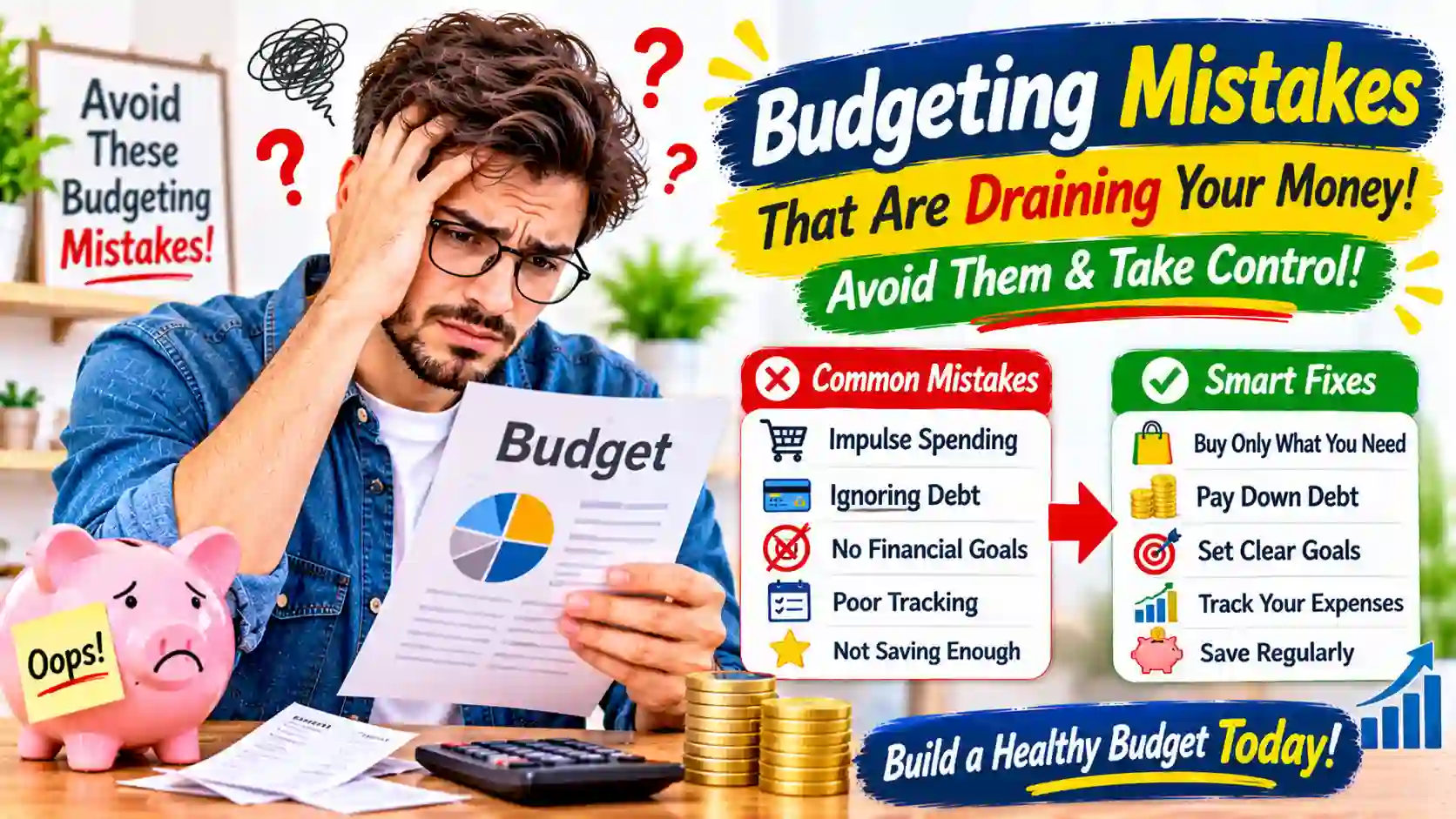
Building good habits also means recognizing decisions that can make financial progress harder. Consider avoiding these common mistakes:
- Spending more than you earn to maintain a certain lifestyle.
- Ignoring credit card balances and high-interest debt.
- Failing to plan for irregular or unexpected expenses.
- Comparing your financial progress with friends or social media personalities.
- Investing in products you do not understand.
- Relying on unrealistic promises of quick financial success.
- Delaying every savings goal until your income increases.
- Ignoring financial statements, fees, and account security.
Your financial journey does not need to look like anyone else's. Focus on decisions that make sense for your income, responsibilities, and future plans.
A Simple 90-Day Financial Action Plan
If you are unsure where to begin, use this three-month plan as a starting point. Adjust the steps based on your current financial situation.
First 30 Days: Understand Your Money
- Track all income and expenses.
- List debts, interest rates, and payment dates.
- Review subscriptions and recurring charges.
- Create a realistic monthly budget.
- Choose your three most important financial goals.
Days 31–60: Build Better Habits
- Start a regular emergency savings contribution.
- Set reminders for important bills.
- Choose a debt repayment strategy if needed.
- Research suitable savings and retirement options.
- Identify one skill that could improve your earning potential.
Days 61–90: Review and Improve
- Compare actual spending with your budget.
- Review your savings progress.
- Adjust financial goals if necessary.
- Learn more about investing and financial products.
- Set your next three-month priorities.
The purpose of this plan is to help you establish a routine. You can move at a pace that fits your circumstances.
Final Thoughts
Your 20s are a good time to learn how money works and develop habits that support your future. You do not need to become financially successful overnight or reach every milestone by a certain age.
Start with the basics: understand your income, create a budget, build emergency savings, manage debt, and learn about long-term financial planning. As your circumstances improve, you can work toward larger goals.
The most important thing is to make steady, informed progress. A realistic financial plan that you can maintain is more useful than an ambitious plan that does not fit your life.
Frequently Asked Questions
1. What financial goals should I have in my 20s?
Useful goals include creating a budget, building emergency savings, managing debt, understanding credit, saving for retirement, and learning about investing. Your priorities should reflect your income and responsibilities.
2. How much money should I have saved by age 25?
There is no universal savings amount everyone must have by age 25. Your income, cost of living, education costs, debt, and family responsibilities all affect what is realistic. Focus on building consistent savings habits rather than comparing yourself with others.
3. Should I start investing in my 20s?
Learning about investing early can help you understand long-term financial planning. Before investing, consider essential expenses, emergency savings, high-interest debt, your time horizon, and your ability to accept investment risk.
4. Is it better to save money or pay off debt first?
The right balance depends on your debt interest rates and financial circumstances. Many people prioritize a small emergency reserve while making required debt payments, then focus extra money on expensive debt while continuing to build savings.
5. How much of my income should I save in my 20s?
The appropriate amount depends on your income, essential expenses, debt, and goals. A commonly discussed target is saving around 20% of income, but this is a guideline rather than a requirement. Start with an amount you can maintain.
6. Should I use a credit card in my 20s?
A credit card may be useful if you understand its terms and can manage payments responsibly. Avoid spending beyond your means, understand interest charges, and pay the statement balance in full when possible.
7. What if I cannot afford to save much money?
Start with a small amount that does not interfere with essential expenses. Review your budget for possible adjustments and consider ways to increase your income over time. Consistency matters more than starting with a large contribution.
8. Is it too late to start financial planning after age 25?
No. Financial planning can be useful at any age. You can start by reviewing your current situation, setting realistic goals, and building habits that support your needs and future priorities.
Meet the Author

Bruce Lee
Bruce Lee is the author behind Nksaas. He focuses on creating accessible personal finance content covering budgeting, saving, credit basics, side hustles and beginner investing concepts.
Email: info.nksaas@gmail.com