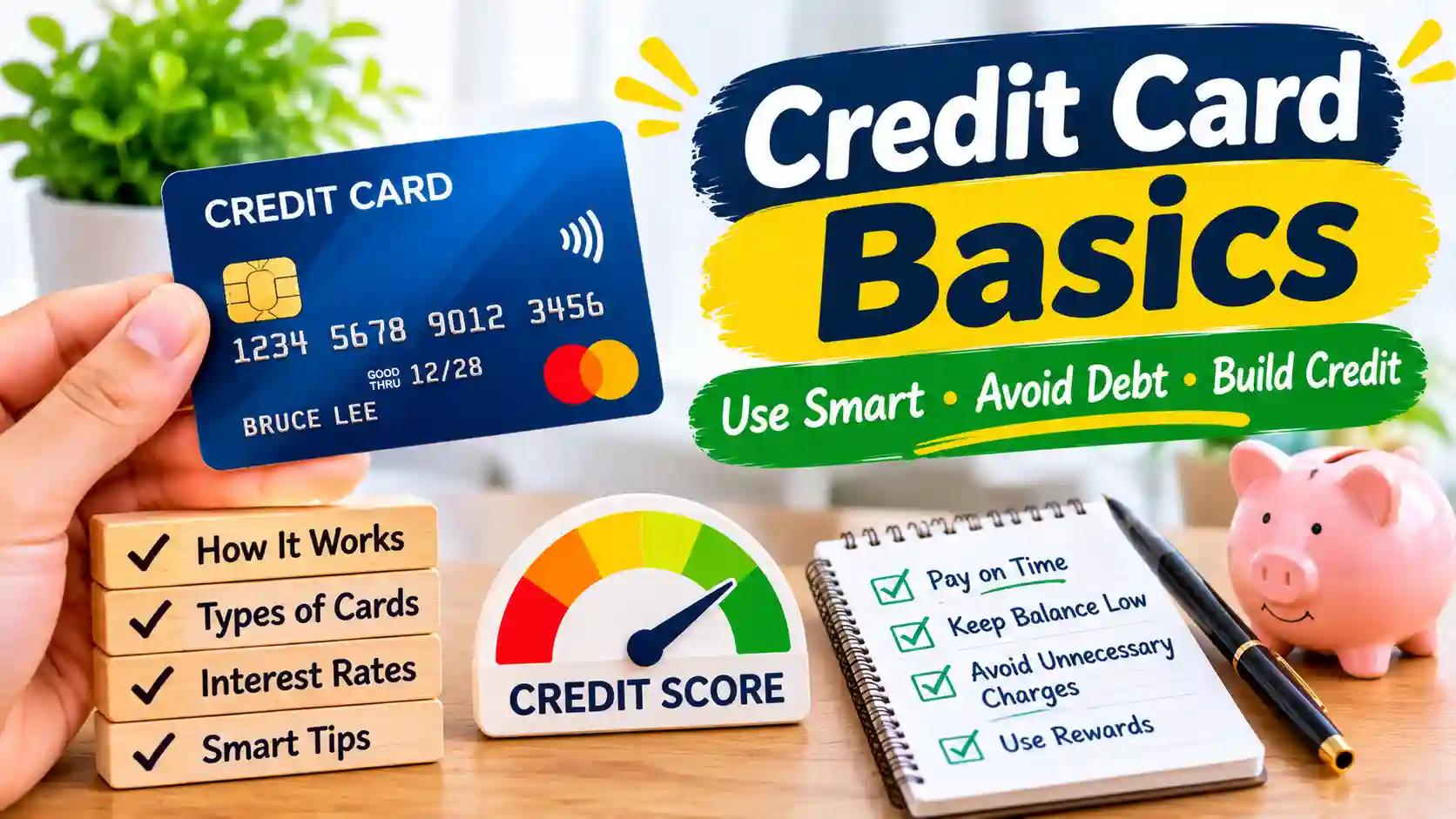

Your credit score can influence how lenders evaluate your applications for credit cards, personal loans, mortgages, and other borrowing products. A stronger credit profile may help you qualify for better borrowing terms, although approval always depends on the lender and your overall financial circumstances.
The good news is that improving your credit does not usually require complicated tricks. Consistent payments, manageable balances, accurate credit reports, and responsible borrowing habits can make a meaningful difference over time.
Whether you are building credit for the first time or trying to recover from past financial mistakes, this guide explains where to start and what to focus on.
In This Guide
- What Is a Credit Score?
- What Factors Affect Your Credit Score?
- Check Your Credit Reports
- Pay Every Bill on Time
- Lower Your Credit Utilization
- Keep Older Accounts in Mind
- Limit Unnecessary Credit Applications
- Manage Existing Debt
- Understand Your Credit Mix
- Dispute Errors on Your Credit Report
- Build Credit With Responsible Habits
- How Long Does It Take?
- Credit Score Mistakes to Avoid
- Frequently Asked Questions
1. What Is a Credit Score?
A credit score is a numerical estimate of your credit risk based on information in your credit history. Lenders and other authorized organizations may use it to help assess how likely you are to repay borrowed money.
Credit scores are calculated using information such as your payment history, outstanding balances, account age, and recent credit activity. Different scoring models may use different formulas and may produce different scores from the same credit report.
Credit scoring systems also vary between countries. For example, the scoring ranges and reporting practices used in the United States are not necessarily the same as those used in the United Kingdom, Canada, or Australia.
Important to Know
There is no single universal credit score. Your score can differ depending on the country, credit bureau, scoring model, and information available in your credit file.
2. What Factors Affect Your Credit Score?
While scoring formulas differ, several common factors can influence credit assessments.
Payment History
Payment history shows whether you have paid credit accounts on time. Missed or late payments can negatively affect your credit profile, depending on the reporting rules and scoring model.
Credit Utilization
Credit utilization measures how much of your available revolving credit you are using. High balances compared with your credit limits can be a concern for some scoring models.
Length of Credit History
The age of your credit accounts and how long you have used credit may influence your credit profile. A longer history can provide more information about your borrowing behavior.
New Credit Applications
Applying for several credit accounts in a short period may result in multiple hard inquiries. These inquiries can affect some credit scores, although the impact and treatment vary by scoring model.
Types of Credit
Some scoring systems consider the different types of credit accounts you manage, such as credit cards and installment loans. However, you should not borrow money unnecessarily just to create a particular credit mix.
3. Check Your Credit Reports Regularly
Before trying to improve your credit score, review the information used to calculate it. Your credit report may contain account details, payment records, outstanding balances, inquiries, and other financial information.
Checking your report can help you understand what lenders may see and identify information that appears incorrect.
What Should You Look For?
- Accounts you do not recognize.
- Incorrect personal information.
- Payments incorrectly marked as late.
- Balances that do not match your records.
- Accounts that should have been closed.
- Duplicate entries or unfamiliar inquiries.
Use official credit reporting agencies or authorized services in your country. In the United States, consumers can access eligible credit reports through AnnualCreditReport.com. In other countries, check the relevant credit reporting agencies and consumer guidance.
Reviewing your own credit report through an authorized consumer access method generally does not count as a hard inquiry.
4. Pay Every Bill on Time
Making payments on time is one of the most important habits for maintaining a healthy credit history. A late payment can remain on a credit report for a period determined by local reporting rules.
If you have several credit cards, loans, or other reported accounts, keeping track of all payment dates can become difficult. A simple payment system can help.
Practical Ways to Avoid Late Payments
- Set calendar reminders: Add payment due dates to your phone or calendar.
- Use automatic payments: Where available, schedule at least the required payment amount.
- Choose convenient due dates: Ask your lender whether you can change a payment date to better match your income schedule.
- Check account balances: Make sure enough money is available before an automatic payment is processed.
- Review payment confirmations: Do not assume a payment has gone through until you have confirmation.
A Helpful Habit
Paying your full credit card statement balance on time can help you avoid purchase interest when your card offers a grace period, and you qualify for it.
5. Lower Your Credit Utilization
Credit utilization is the percentage of your available revolving credit that you are currently using. It is an important factor in many credit scoring systems.
For example, suppose your total credit limit is $5,000 and your reported balances total $2,000. Your utilization would be:
Credit Utilization Formula
Utilization = Total balances ÷ Total credit limits × 100
$2,000 ÷ $5,000 × 100 = 40%
A lower utilization rate is generally preferable in many scoring models. Some financial education resources suggest keeping utilization below 30%, but this is not a universal scoring rule or a guaranteed threshold. Lower may be better, depending on the model.
Ways to Reduce Credit Utilization
- Pay down existing credit card balances.
- Avoid unnecessary new purchases on credit.
- Make payments before the statement closing date when appropriate.
- Spread spending across your budget rather than relying heavily on credit.
- Consider a credit limit increase only if it does not encourage extra spending and the issuer's terms make sense.
Remember that credit utilization is not a reason to carry debt or pay interest. You do not need to maintain a balance to build a credit history.
6. Keep Older Accounts in Mind
The age of your credit accounts may influence some scoring models. Closing an older credit card can also reduce your total available credit, potentially increasing your utilization ratio if you still have balances on other cards.
Before closing an account, consider:
- Whether it has an annual fee.
- How much available credit it provides.
- Whether you use its benefits.
- Whether closing it will affect your credit utilization.
- Whether the account has security or fraud concerns.
Keeping an account open is not always the right choice. If it has expensive fees or creates financial risks, closing it may be reasonable. Review the potential consequences first.
7. Limit Unnecessary Credit Applications
When you apply for certain credit products, a lender may perform a hard credit inquiry. Depending on the scoring system, this can temporarily affect your score.
Applying for many cards or loans within a short period may also make your credit profile appear more risky to some lenders.
Apply Strategically
- Research eligibility requirements before applying.
- Compare fees, interest rates, and benefits.
- Use pre-qualification tools when available and understand whether they involve a soft or hard inquiry.
- Avoid applying for products you do not need.
- Allow time between applications when practical.
Some scoring models treat certain loan-shopping inquiries differently when they occur within a specified period. This treatment is not identical for every product or scoring model.
8. Manage Existing Debt
Carrying high debt can make your finances harder to manage and may increase the risk of missed payments. Reducing outstanding balances can help improve your overall financial position.
Choose a Repayment Strategy
Two common debt repayment approaches are the debt snowball and debt avalanche methods.
Debt Snowball Method
Pay the minimum on all debts and direct extra money toward the smallest balance first. Once that balance is cleared, move the extra payment to the next smallest debt.
Debt Avalanche Method
Pay the minimum on all debts and direct extra money toward the debt with the highest interest rate first. This approach can reduce total interest costs when followed consistently.
Choose a strategy that fits your financial situation and helps you stay consistent. If payments are becoming difficult, contact your lenders early to discuss available support options.
9. Understand Your Credit Mix
Credit mix refers to the different types of credit accounts in your credit history. Depending on the scoring model, this may include revolving accounts such as credit cards and installment accounts such as certain personal or auto loans.
Having a range of account types may contribute to some credit scoring models, but it is not a reason to take out a loan you do not need.
Focus on paying existing accounts responsibly and borrowing only when there is a genuine financial reason.
10. Dispute Errors on Your Credit Report
Incorrect information on your credit report can create problems when lenders review your credit history. If you find an error, contact the credit reporting agency and the company that supplied the information.
How to Handle a Credit Report Error
- Get a copy of your credit report.
- Identify the information you believe is incorrect.
- Collect relevant statements, payment confirmations, or other supporting documents.
- Submit a dispute through the official process of the credit reporting agency.
- Contact the lender or company that reported the information if necessary.
- Keep copies of your complaint and any response.
- Review the updated report after the investigation is complete.
Dispute procedures and deadlines vary by country. Use the official complaint and dispute channels available in your location.
11. Build Credit With Responsible Habits
If you have little or no credit history, improving your credit profile may take time. Start with financial products that are appropriate for your circumstances and avoid borrowing more than you can repay.
Consider a Suitable Starter Credit Product
Depending on your country and eligibility, options may include a basic credit card, a secured credit card, or another product designed for people with limited credit history. Review all fees, deposit requirements, and repayment terms before applying.
Keep Your Accounts Manageable
You do not need multiple cards or loans to establish responsible credit habits. One suitable account that you manage consistently may be enough to begin building a history.
Track Your Financial Progress
Review your balances, payment history, and credit reports periodically. Focus on the habits you can control instead of checking your score repeatedly.
12. How Long Does It Take to Improve a Credit Score?
There is no guaranteed timeline for improving a credit score. The time required depends on your starting credit history, the reason your score is low, the type of negative information involved, and the scoring model used.
Some changes, such as reducing reported credit card balances, may be reflected after the relevant account information is updated. Other issues, such as missed payments or accounts in collections, may take considerably longer to have less influence.
What to Expect
- Short term: Review your credit reports, correct errors, and organize payment reminders.
- Over the next few months: Build a consistent payment routine and work on reducing balances.
- Longer term: Maintain responsible borrowing habits and allow positive credit history to develop.
Be cautious of companies that promise a specific score increase or claim they can remove accurate negative information. No legitimate service can guarantee a particular credit score result.
13. Credit Score Mistakes to Avoid
Some actions can make credit management harder or expose you to unnecessary costs. Avoid these common mistakes:
- Missing payments: Late payments can damage your credit history.
- Using too much available credit: High balances can increase utilization.
- Applying for unnecessary accounts: Multiple applications can create additional inquiries.
- Ignoring credit reports: Errors may go unnoticed if you never review your information.
- Closing accounts without checking the impact: This may change your available credit and account history.
- Carrying debt for credit-building purposes: Paying interest does not guarantee a better score.
- Trusting guaranteed credit repair claims: Be skeptical of promises that sound too good to be true.
Final Thoughts
Improving your credit score is mainly about building consistent financial habits. Pay your bills on time, manage credit card balances, review your credit reports, and apply for credit only when you need it.
You may not see immediate results, but responsible habits can help strengthen your financial profile over time. Focus on steady progress rather than quick fixes or unrealistic score promises.
Your Next Step
Start by reviewing your latest credit report and setting up reminders for every upcoming payment. Small, consistent actions can help you build a healthier credit history.
Disclaimer
This article is for educational and informational purposes only and should not be considered financial, legal, or credit repair advice. Credit scoring models, reporting practices, consumer rights, and dispute procedures vary by country and provider. Check official local resources and consult a qualified professional when necessary.
Meet the Author

Bruce Lee
Bruce Lee is the author behind Nksaas. He focuses on creating accessible personal finance content covering budgeting, saving, credit basics, side hustles and beginner investing concepts.
Email: info.nksaas@gmail.com